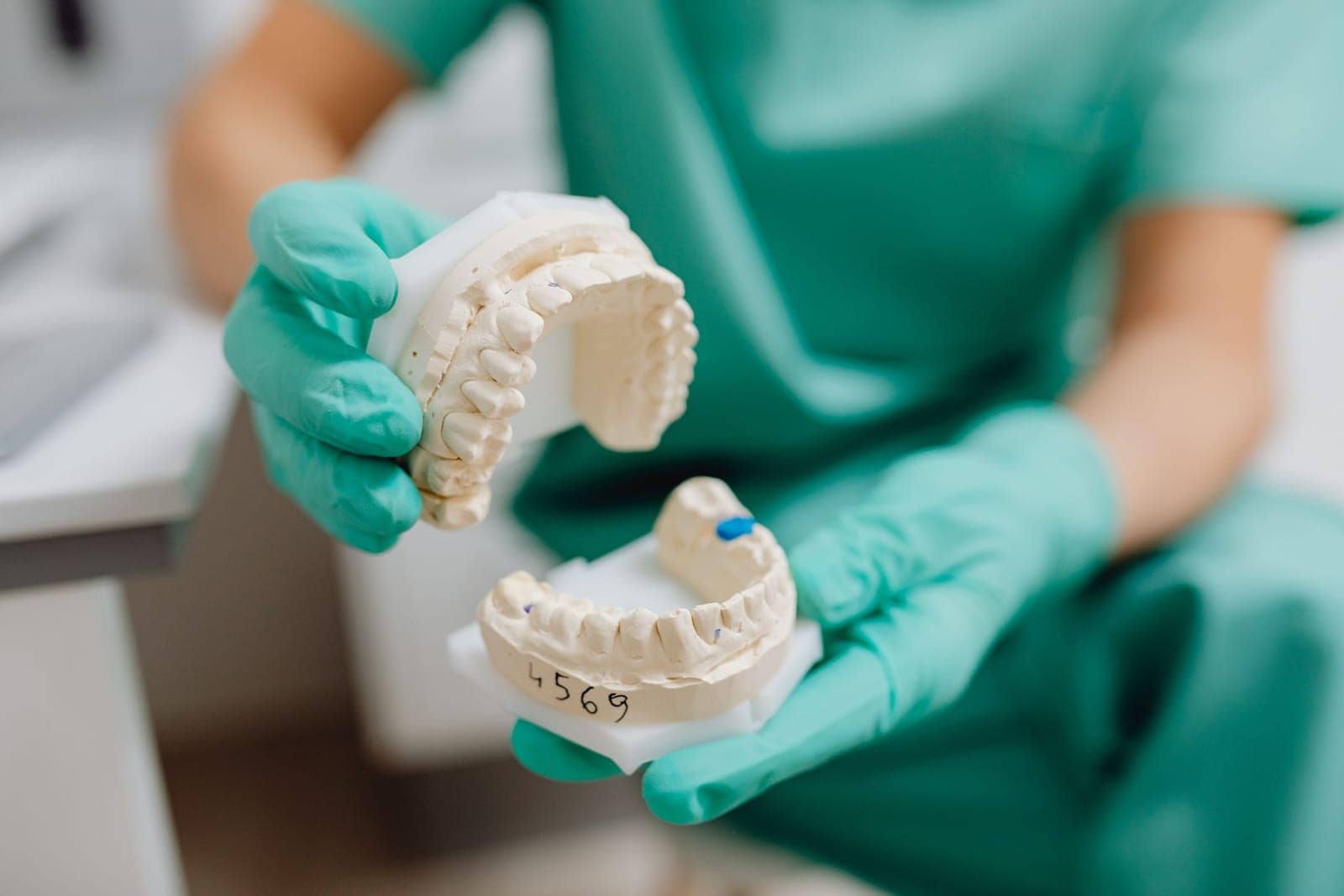
Invisalign and orthodontics

Orthodontics in Marina del Rey

Orthodontics is the branch of dentistry that moves teeth and aligns the jaws to correct crowding, gaps, overbites, underbites and crossbites, using clear aligners, traditional braces or a combination. It is for teens and adults whose teeth or bite affect their appearance, chewing, speech or ability to keep teeth clean, and treatment usually takes several months to two years.

At Marina Dentistry the consultation ends with the imaging your case needs and a written plan with a price, before anything is scheduled.

Open six days a week, including Saturday
All PPO plans and several HMO plans accepted
Invisalign Gold Provider (2024)
Led by Dr. Sameer Aljanedi, DDS

New patient offers

Two published offers for this treatment

The same offers as on the specials page, with the fine print on each card. Claim one when you request your visit; we confirm the terms with you before anything is booked.

All new patient specials
Consultation

Free consultation

Complimentary

A consultation with your dentist including full-mouth X-rays and an examination, so you leave with a clear picture and a written plan.

Consultation and X-rays only. New patients. Cannot be combined with insurance benefits or other offers.

On this page
  1. Overview
  2. Who it is for
  3. What to expect
  4. Candidacy and alternatives
  5. How it compares
  6. Technology
  7. Aftercare
  8. Cost and financing
  9. FAQ
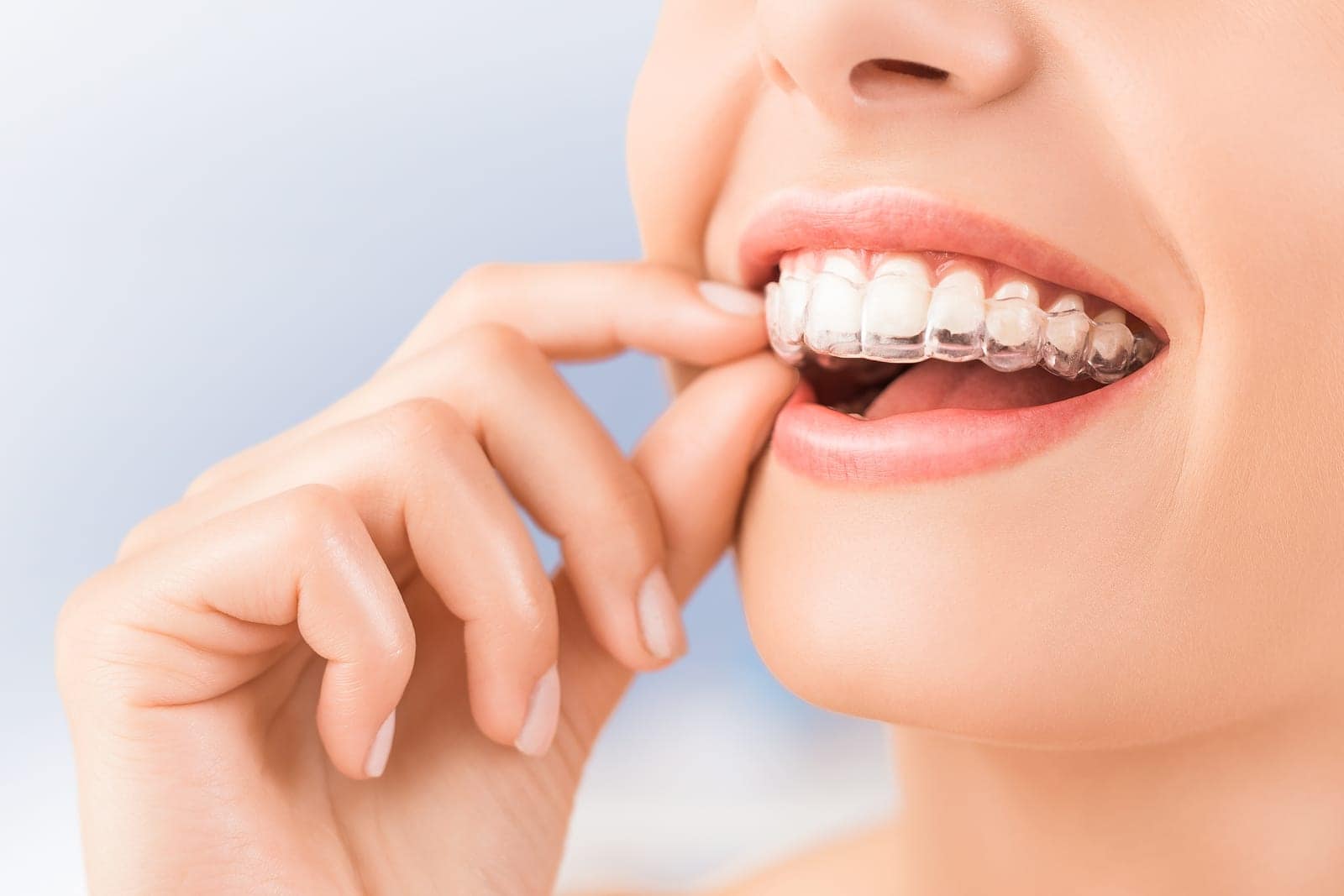
A close view of a clear aligner being placed over the upper teeth

Quick facts

Good for
Crowding, gaps, overbite, underbite, crossbite and shifted teeth
Options
Clear aligners, traditional braces, or a referral for complex cases
Ages
Teens once most adult teeth are in; adults at any age with healthy gums
Treatment time
Often 6 to 24 months depending on the case
After
Retainers, usually nightly, for the long term

Orthodontics is the part of dentistry that moves teeth. The goal is partly cosmetic, since straight teeth look better, and partly functional: teeth that line up are easier to clean, wear more evenly and let the jaw close comfortably. Crowding, gaps, an overbite, an underbite or a crossbite are the usual reasons people ask.

At Marina Dentistry in Marina del Rey, most orthodontic treatment is done with clear aligners. Dr. Sameer Aljanedi is a general dentist who provides Invisalign for teens and adults. He is not an orthodontist, and part of his job is knowing which cases belong with one. Patients from Venice, Westchester and Playa del Rey come for an honest evaluation of which path makes sense.

Aligners, braces or a referral

Clear aligners handle mild to moderate crowding, spacing and many bite problems well. Traditional braces are still the better tool for severe crowding, large bite discrepancies, teeth that must be rotated or pulled down a long way, and growing children whose jaws need guiding. When your case falls into those groups, you are referred to an orthodontist and your other dental care is coordinated around that treatment.

Adults make up a large share of orthodontic patients today. Healthy gums and bone are the requirement, not age. Teens usually start once most adult teeth are in, and children are evaluated around age seven so growth problems are caught early.

Who this is for

  • Crowded or overlapping teeth that are hard to floss
  • Gaps you would like closed
  • Teeth that have drifted since earlier braces
  • An overbite, underbite or crossbite that affects chewing or wears teeth unevenly
  • Space that needs opening or closing before an implant or bridge

Orthodontics is also a preparation step. Aligning teeth before porcelain veneers or a dental implant often means less enamel removed and a better long-term fit.

What to expect, step by step

  1. Evaluation

    Your teeth, gums, bite and jaw joints are examined, photos and a scan or impressions are taken, and you explain what bothers you about your smile or bite.

  2. Recommendation

    You learn whether clear aligners can achieve the result, whether braces would do it better, or whether a referral to an orthodontist is the right call, with the reasons for each.

  3. Written plan

    For aligner cases treated here, you receive a plan with the expected number of aligners, timeline and insurance estimate.

  4. Active treatment

    Aligners are changed every one to two weeks with check-ins every six to ten weeks. Braces are adjusted on a similar schedule by the orthodontist.

  5. Retention

    Once teeth are in position, retainers hold them there. Nightly wear long term is the usual recommendation.

Are you a candidate?

Nearly anyone with healthy teeth and gums can have orthodontic treatment. Active gum disease, untreated decay and significant bone loss need treatment first. The question is less whether you are a candidate than which method fits. Aligners suit motivated patients with mild to moderate problems. Braces suit complex movements or patients who would rather not manage removable trays. Growth-related jaw problems in children, severe bite discrepancies and cases that may need surgery are referred to an orthodontist.

Alternatives worth discussing

  • Clear aligners. Removable, discreet and easy to clean around. Best for mild to moderate cases and patients who will wear them consistently.
  • Traditional braces. Fixed brackets and wires that handle nearly any movement. Visible and more work to clean, but not dependent on compliance.
  • Veneers or bonding. For slight crowding or small gaps on front teeth, cosmetic restorations can mimic straight teeth quickly, without changing the bite.

Invisalign or braces: how they compare

Both move teeth with steady, gentle pressure. The right choice depends on the movements your teeth need and how you live with treatment. Your dentist will tell you at the consultation which ones your case suits.

Invisalign or braces: how they compare
Invisalign clear alignersTraditional bracesThis page
What you wearClear plastic trays, a new set every week or twoBrackets bonded to the teeth, joined by a wire
Seen by othersHard to notice in conversationVisible, though tooth-colored brackets are an option
RemovableYes, to eat, drink anything but water and brushNo, they stay on until treatment ends
What it asks of youWearing trays about 22 hours a dayAvoiding hard and sticky food
CleaningBrush and floss as usual; rinse the traysMore work around brackets and under the wire
Suited toMild to moderate crowding, gaps and some bite issuesNearly any movement, including complex cases
Check-insTypically every six to ten weeksTypically every four to eight weeks for adjustments
AfterwardRetainers, usually nightlyRetainers, usually nightly

Some dental plans include an orthodontic benefit that applies to either option. We check yours before you decide.

Technology and materials

Orthodontic planning starts with photos and a digital scan or impressions, and aligner cases use a computer simulation of each movement that your dentist reviews.

Recovery and aftercare

Whether you finish treatment here or with an orthodontist, keeping the result comes down to two things: retainers and hygiene.

  • Wear retainers as directed, usually every night, for the long term
  • Brush twice daily and floss once, paying attention around attachments or brackets
  • Replace a cracked or ill-fitting retainer promptly; teeth begin to drift within weeks

Cost and financing

Orthodontic cost depends on the complexity of the movement, the method chosen and the length of treatment. Many PPO plans include an orthodontic benefit; confirm your plan with the office and we will estimate your coverage. For cases treated here you receive a written plan before starting. Payment plans through Cherry, CareCredit and Sunbit are available subject to credit approval, and the membership plan offers savings for patients without insurance. See financing and insurance.

What changes the cost

  • Complexity and length of treatment
  • Aligners versus braces
  • One arch or both

FAQ

Questions about orthodontics

Is Dr. Aljanedi an orthodontist?

No. Dr. Aljanedi is a general dentist who provides orthodontic treatment, mainly with Invisalign clear aligners, for teens and adults whose cases fit that approach. General dentists commonly treat mild to moderate orthodontic problems. When a case needs braces, surgery or growth guidance beyond what aligners handle well, he refers patients to an orthodontist and coordinates their other dental care.

How much does orthodontic treatment cost?

Cost depends on how complex the movement is, whether aligners or braces are used and how long treatment runs. Many PPO plans carry an orthodontic benefit that may apply to adults and children; we check your coverage and give you an estimate. For aligner cases treated here, payment plans through Cherry, CareCredit and Sunbit are available subject to credit approval.

Do braces or aligners hurt?

Both cause soreness rather than pain. Teeth feel tender for a few days after braces are adjusted or a new aligner is started, because the pressure that moves them stresses the ligament around each root. Over-the-counter pain relief and soft foods usually cover it. Braces can rub the cheeks at first; aligners rarely do. Discomfort typically fades as you adjust.

How long do braces or Invisalign take?

Most orthodontic treatment takes between 6 and 24 months. Simple spacing or mild crowding with aligners is often finished in under a year, while braces for a significant bite correction can run closer to two years. Consistency matters: missed appointments or aligners worn too little add time. Your dentist gives an estimate at the start and updates it at check-ins.

Am I too old for braces or aligners?

No. Teeth can be moved at any age as long as the gums and supporting bone are healthy. Many adults in their forties, fifties and beyond complete orthodontic treatment, often with clear aligners because they are discreet at work. Adult treatment can take longer than in teens because bone remodels more slowly, and gum health is checked more closely throughout.

Ready to take the next step?

Request a time online and we will confirm by phone or text during office hours. Same-day visits for dental emergencies.