How much does Invisalign cost in Marina del Rey?
Invisalign in Marina del Rey and West LA typically runs $3,500 to $8,500, with limited cases at the low end and the complexity of the tooth movement, not the aligners themselves, setting most of the fee.

Invisalign typically runs $3,500 to $8,500 in Marina del Rey and the rest of West LA. Limited cases that move a few front teeth sit at the low end; comprehensive cases that correct the bite sit at the high end. That range is a regional estimate for context, not a quote from any one office. Your fee is set in a written plan after your dentist has examined your teeth and taken a scan, because the thing that drives the price more than anything else, how far your teeth need to move, cannot be judged from a photo or a phone call.
This guide explains what is inside an Invisalign fee, why complexity matters more than anything, how an orthodontic benefit changes your share, how HSA and FSA money applies, what the published special covers, and when braces or a referral make more sense. It is written for adults and parents in Marina del Rey, Venice, Playa Vista and Santa Monica who want to understand the number before they sit in the chair.
What is inside an Invisalign fee
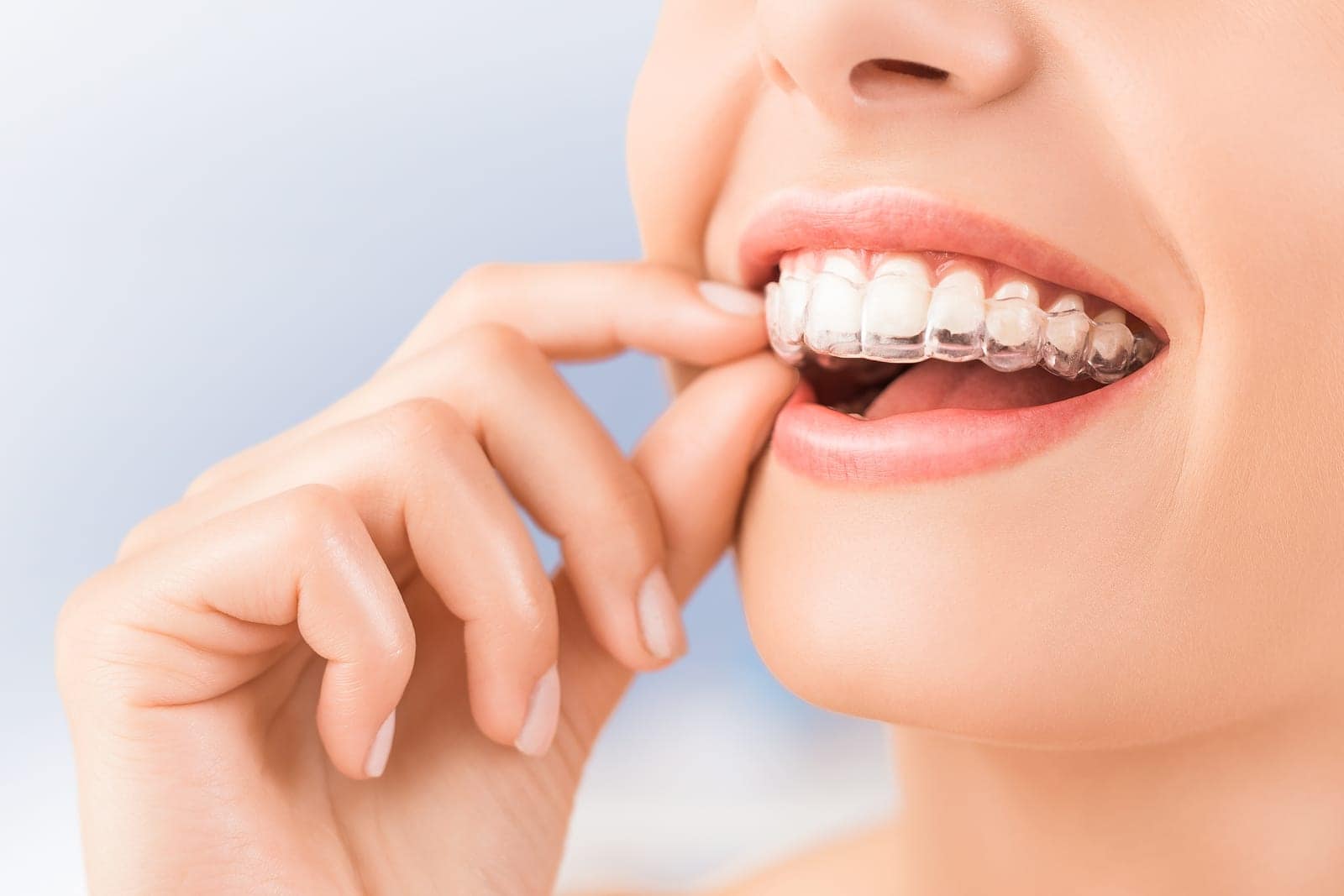
Invisalign is priced as a course of treatment, not as a product. A complete fee usually covers everything from the first records to the retainers at the end:
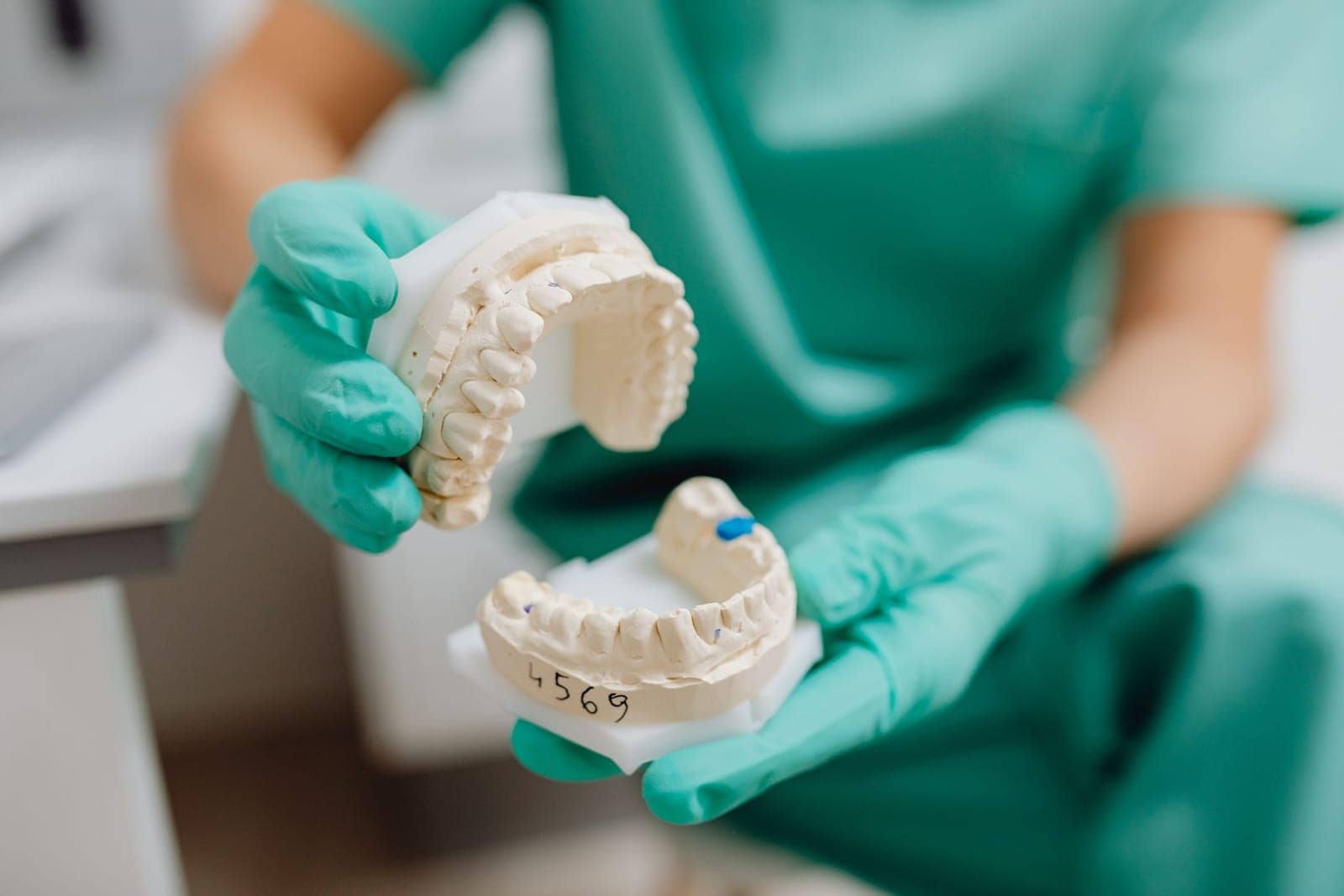
- Records and scan. An exam, photographs, X-rays as needed and a scan of your teeth, which replaces the putty impressions many people remember.
- The treatment plan. Your dentist maps how each tooth will move, in what order and over how many aligners. This planning is where most of the clinical judgment happens.
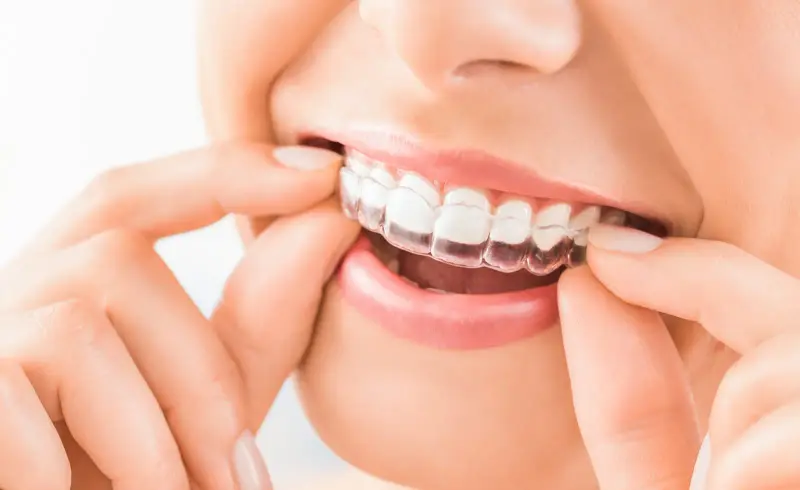
- The aligner series. The full set of trays, each worn for a week or two before moving to the next.
- Attachments and polishing between teeth. Small tooth-colored bumps bonded to certain teeth give the aligners something to grip, and in some cases a sliver of enamel is polished from between crowded teeth to make room. Both are normally part of the fee.
- Check-in visits. Appointments every several weeks so your dentist can confirm the teeth are tracking with the plan.
- Refinements. Teeth do not always follow the plan exactly. A second, shorter set of aligners to finish the job is common and is usually included, though some offices cap the number.
- Retainers. The first set of retainers at the end of treatment, which hold the result while the bone around the teeth settles.
Ask what is not included. Replacement retainers after the first set, whitening and any dental work that has to happen before aligners can start, such as a filling or a cleaning, are usually separate lines. A plan that lists what is in and what is out is far easier to compare than a single number.
Why case complexity drives the fee more than anything
The aligners are made the same way for everyone. What changes from patient to patient is how much work they have to do, and that is what the fee tracks.
A limited case moves a few teeth a short distance: a front tooth that has drifted after braces, a small gap, mild crowding on the lower front teeth. It may need a modest number of aligners over a matter of months, and it sits at the low end of the range.
A comprehensive case moves most of the teeth, often changes how the upper and lower teeth meet, and may need attachments on many teeth, polishing between several, one or more refinements and a longer course of check-ins. It sits at the high end.
Between the two is a wide middle where most adults land: moderate crowding, spacing, a bite that is somewhat off. The fee rises with the number of aligners, the number of visits and the amount of planning time, all of which rise with complexity. Treatment length matters for the same reason. Our Invisalign page describes how your dentist decides which category your teeth fall into.
Two other things move the fee less than people expect. The area you live in sets the general level, which is why Westside fees run higher than in many other places, but it does not explain why two neighbors in Playa Vista are quoted differently. And the brand of aligner is not the variable either; the complexity of the movement is.
Prices in this guide are regional estimates for context, not quotes from Marina Dentistry. Your written plan from the office is the only price that applies to you.
How an orthodontic lifetime maximum changes your share
Dental insurance pays for Invisalign only when the plan includes orthodontic benefits, and many employer plans either leave orthodontics out or limit it to dependent children. When a plan does include adult orthodontics, the benefit works differently from the rest of your coverage.
Most orthodontic benefits are a lifetime maximum, not an annual one. The plan pays up to a fixed amount once, for all orthodontic treatment over your lifetime on that plan, usually separate from the annual maximum that applies to fillings and crowns. If you had braces as a teenager under a parent's plan with the same insurer, some or all of that maximum may already be used. Aligners and braces draw from the same benefit, so a plan that covers braces generally covers Invisalign on the same terms.
In practice, your share is the fee in your written plan minus whatever remains of the lifetime maximum, with the insurer often paying in installments across the course of treatment rather than all at once. The only reliable way to know the figure is a pre-treatment estimate, which the office sends to your insurer before treatment begins. Marina Dentistry accepts all PPO plans and several HMO plans, including Delta Dental and Anthem; confirm your plan with the office. Our guide to whether dental insurance covers implants, Invisalign or veneers explains how to read your plan documents and how to request the estimate.
HSA and FSA eligibility
Whatever the plan leaves to you can usually be paid with pre-tax money. Internal Revenue Service rules treat orthodontic treatment, including clear aligners, as a qualified medical expense for a health savings account or a flexible spending account, because it corrects the position of the teeth and the bite rather than only their appearance. Ask your plan administrator how they want the expense documented; most accept the itemized plan and receipts from the office.
Timing matters more for an FSA than an HSA. FSA funds usually have to be used within the plan year, with at most a short grace period or a small carryover, so a treatment that starts in the fall can draw on this year's election and next year's. HSA funds roll over indefinitely and can be built up ahead of a planned treatment. Open enrollment in the fall is the moment to set next year's FSA election once you know what your plan is likely to leave to you.
The published Invisalign special
Marina Dentistry publishes a new-patient Invisalign offer on its specials page: Invisalign treatment starts at $2,999. The starting price is for simpler cases, and your final fee depends on case complexity and is confirmed in a written plan after your scan. The offer is for new patients and cannot be combined with insurance benefits or other offers. Call (310) 578-5000 to confirm the current terms before your visit.
Read "starts at" the way this guide suggests reading any orthodontic price. It is the fee for a limited case, the kind described above that moves a few teeth a short distance. A moderate or comprehensive case will be quoted higher, and the scan is what tells your dentist which one you are. The honest version of the offer is this: if your case is simple, that is the figure; if it is not, you will know the real figure before you commit, in writing.
Paying for the balance
For the part of the fee that insurance and pre-tax accounts do not cover, Marina Dentistry works with Cherry, CareCredit and Sunbit, which offer payment plans to approved patients. Approval and terms depend on the lender. Our financing and insurance page explains how to apply and what to bring.
What an Invisalign consultation involves here
A consultation at Marina Dentistry starts with an exam of your teeth, gums and bite, because aligners move teeth through bone and the gums need to be healthy before that starts. Your dentist takes photographs, any X-rays the case needs and a scan of your teeth. From the scan, you can see a preview of how your teeth are expected to move and roughly how many aligners it will take. You leave with a written plan that states the fee, what it includes, the expected length of treatment and, if you have orthodontic benefits, what the office will submit for a pre-treatment estimate. Marina Dentistry is an Invisalign Gold Provider (2024).
If you go ahead, the first weeks are an adjustment. Our guide to your first week with Invisalign covers soreness, attachments, eating and the habits that keep treatment on schedule. Many patients also ask about whitening at the end of treatment; teeth whitening is usually done after the aligners come off, since the trays and attachments get in the way before then.
When braces or a referral make more sense
Invisalign handles a wide range of crowding, spacing and bite problems, but it is not the right tool for every mouth, and a good consultation says so.
Braces tend to be the better choice when teeth need to be rotated sharply, moved a long way up or down, or when a tooth is so tipped that an aligner cannot grip it well. Braces also do not depend on wear time, which matters for a teenager, or an adult, who knows they will not keep aligners in for most of the day. Our orthodontics page covers the fixed options, and our comparison of Invisalign and traditional braces weighs them against a busy Westside schedule.
A referral makes sense when the problem involves the jaws rather than only the teeth: a significant mismatch in jaw size, a bite that needs growth guidance in a child, or a case that may involve surgery. Your dentist will tell you if that applies to you and will point you to the right place rather than fit the case to the aligners.
A visit at Marina Dentistry begins with a full exam and X-rays as needed, followed by a conversation about what you want and what your teeth need. You leave with a written plan that includes pricing, and for any orthodontic benefit the office sends a pre-treatment estimate to your insurer before you decide. The team led by Dr. Sameer Aljanedi, DDS, is at 4292 Lincoln Blvd in Marina del Rey, open six days a week including Saturday from 8 AM to 4 PM. You can book online or read what to expect as a new patient.
This article is general information from Marina Dentistry and not a diagnosis. Only an exam can tell you what is right for your mouth. Request an appointment or call (310) 578-5000.