Restorative

Dental crowns in Marina del Rey

A dental crown is a custom-made cap that covers a damaged tooth down to the gumline, restoring its shape, strength and appearance. Crowns are used for teeth that are cracked, worn, heavily filled or treated with a root canal, and to finish a dental implant. Most are made of porcelain or zirconia to match your natural teeth.

At Marina Dentistry every visit ends with a written plan and a price before anything else is scheduled.

Open six days a week, including Saturday
All PPO plans and several HMO plans accepted
Written estimate before any treatment
Led by Dr. Sameer Aljanedi, DDS

New patient offer

A published offer for this treatment

The same offer as on the specials page, with the fine print on the card. Claim it when you request your visit; we confirm the terms with you before anything is booked.

All new patient specials
On this page
  1. Overview
  2. Who it is for
  3. What to expect
  4. Candidacy and alternatives
  5. Technology
  6. Aftercare
  7. Cost and financing
  8. FAQ
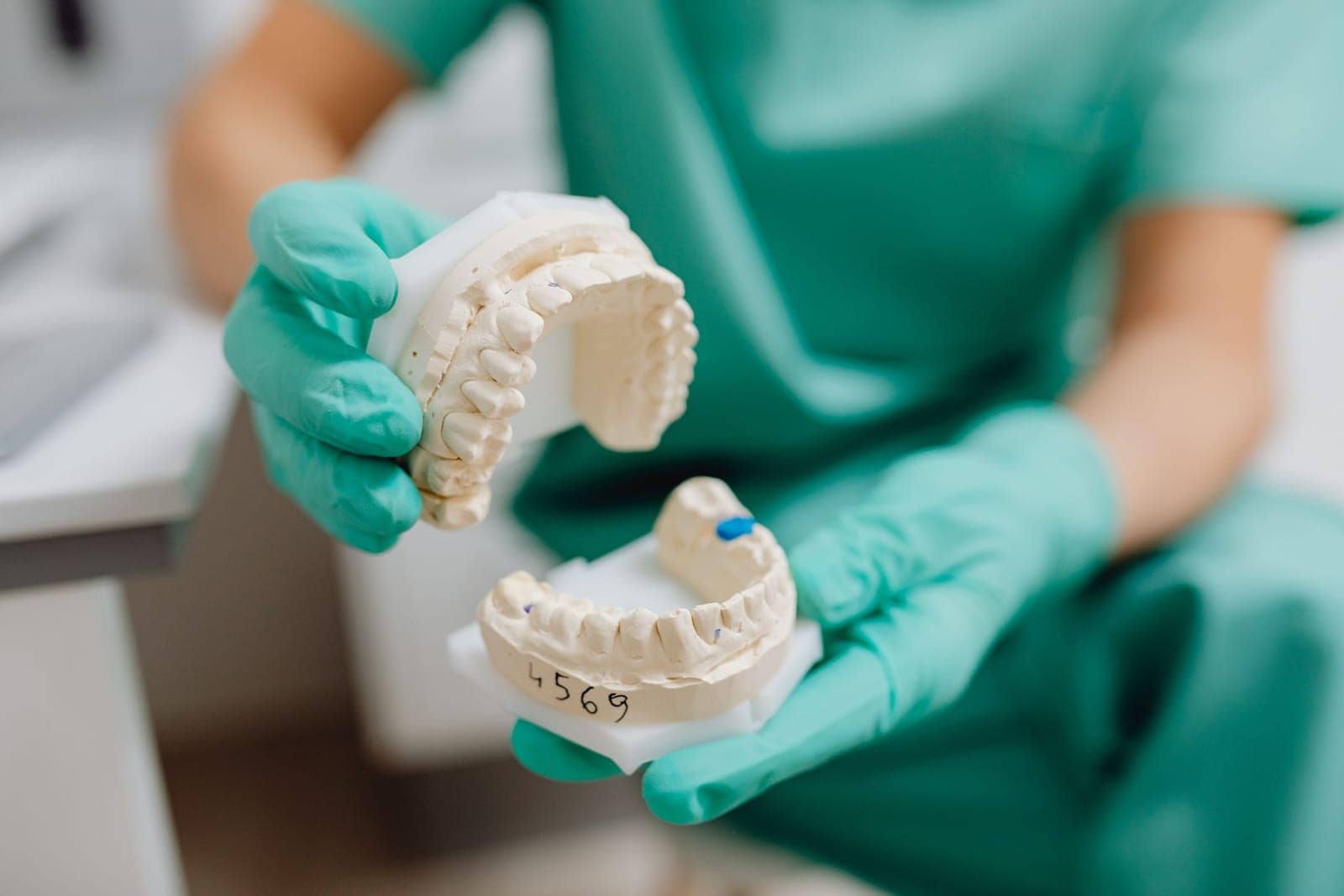
Gloved hands hold a plaster model of upper and lower teeth

Quick facts

Good for
Cracked, worn or heavily filled teeth, and after root canals
Visits
Usually two, a few weeks apart
Anesthesia
Local
Materials
Porcelain, zirconia or metal alloys
Lasts
Often ten to fifteen years or more with good care

A filling repairs part of a tooth. A crown protects the whole thing. When a tooth has a large crack, a filling that keeps breaking or very little healthy structure left, a crown wraps around it and takes the force of chewing so the tooth underneath does not split. It is the difference between patching a wall and putting a roof over it.

Crowns also finish other treatments. After a root canal, a back tooth becomes brittle and usually needs a crown to keep it from fracturing. A crown is also the visible tooth on top of a dental implant.

Choosing the material

Most crowns today are all-ceramic. Porcelain gives the most lifelike translucency for front teeth. Zirconia is stronger and suits molars that take heavy bite force. Metal and porcelain-fused-to-metal crowns are still used in some cases. Your dentist recommends a material based on where the tooth sits, how hard you bite and how much the color matters to you.

Who this is for

  • A tooth with a crack or fracture line, especially one that hurts when you bite
  • A large old filling that is breaking down or has decay around it
  • A back tooth that has had a root canal
  • A tooth worn flat from grinding
  • A dental implant that is ready for its final tooth

If the damage is smaller, a filling or an onlay may protect the tooth with less drilling. We show you the options.

What to expect, step by step

  1. Exam and planning

    Your dentist examines the tooth, takes an X-ray to check the root and surrounding bone and confirms a crown is the right fix rather than a filling or onlay.

  2. Shaping the tooth

    Under local anesthesia, decay and weak areas are removed and the tooth is shaped so the crown fits over it with room for a natural contour.

  3. Impression and temporary

    An impression or scan of the shaped tooth goes to the lab, and a temporary crown is placed so you can eat and smile while the final one is made.

  4. Fitting the final crown

    At the second visit, the temporary comes off and the new crown is checked for fit, color and bite before it is cemented in place.

  5. Follow-up

    A short check after a few weeks makes sure the bite feels even and the gum around the crown is healthy.

Are you a candidate?

Nearly anyone with a damaged tooth that still has a healthy root is a candidate. If decay reaches the nerve, a root canal comes first. If the tooth is cracked below the gumline or too little structure remains to hold a crown, extraction and replacement may be the more honest recommendation. Active gum disease is treated before crown work so the gum edge is stable.

Alternatives worth discussing

  • Large filling. For moderate damage, a tooth-colored filling costs less and removes less tooth. It may not hold up on a tooth that is cracked or missing a cusp.
  • Onlay or partial crown. Covers only the damaged portion of the chewing surface. A middle ground when the tooth is too damaged for a filling but has healthy walls left.
  • Porcelain veneer. For a front tooth with cosmetic flaws and little structural damage, a veneer covers just the front surface and keeps more natural tooth.

Technology and materials

Crowns are made from impressions or scans of your prepared tooth and matched to the shade of your neighboring teeth.

Recovery and aftercare

Your tooth may be sensitive to cold for a week or two after the crown is cemented. That usually fades. Treat the crown like a natural tooth.

  • Brush twice a day and floss daily, sliding the floss out sideways around the crown rather than snapping it up
  • Avoid chewing ice or hard candy, which can chip porcelain
  • Wear a night guard if you grind; it protects the crown and the teeth across from it
  • Keep regular checkups and cleanings so the edge of the crown is monitored for decay

Cost and financing

Crown fees vary with the material, the position of the tooth and whether a buildup or root canal is needed first. Most dental insurance plans cover a portion of a crown when it is needed to restore the tooth. We accept all PPO plans and a range of HMO plans; confirm your plan with the office. You receive a written estimate with the insurance portion shown before treatment begins. Payment plans through Cherry, CareCredit and Sunbit are available, subject to credit approval, and our membership plan offers savings for patients without insurance. See financing and insurance.

What changes the cost

  • Crown material
  • Front or back tooth
  • Buildup or root canal needed first
  • Insurance coverage

FAQ

Questions about crowns

How much does a dental crown cost?

The fee depends on the material, where the tooth is and whether the tooth needs a buildup or root canal first. Insurance often covers part of a crown when it restores a damaged tooth. We do not post prices online, but you receive a written estimate with your insurance portion before any work starts.

Does getting a crown hurt?

The tooth is numbed with local anesthesia before it is shaped, so the appointment itself should be comfortable. Afterward, the tooth and gum may be tender for a few days and sensitive to cold for a week or two. Over-the-counter pain relievers usually handle it. Lingering pain is worth a call.

How many visits does a crown take?

Usually two. At the first visit the tooth is shaped, an impression or scan is taken, and a temporary crown is placed. The final crown is fitted and cemented at the second visit, typically two to three weeks later. Ask us about the process for your particular tooth at your consultation.

How long do crowns last?

Many crowns last ten to fifteen years, and some much longer. What shortens their life is decay at the edge where crown meets tooth, grinding and chewing on hard things. Daily flossing, regular checkups and a night guard if you grind are the best ways to get the most years out of yours.

Do I need a crown after a root canal?

For back teeth, almost always. A root canal removes the nerve and blood supply, which leaves the tooth drier and more brittle, and molars take heavy chewing force. A crown holds the tooth together. Front teeth with small access openings can sometimes be restored with a filling instead.

Ready to take the next step?

Request a time online and we will confirm by phone or text during office hours. Same-day visits for dental emergencies.