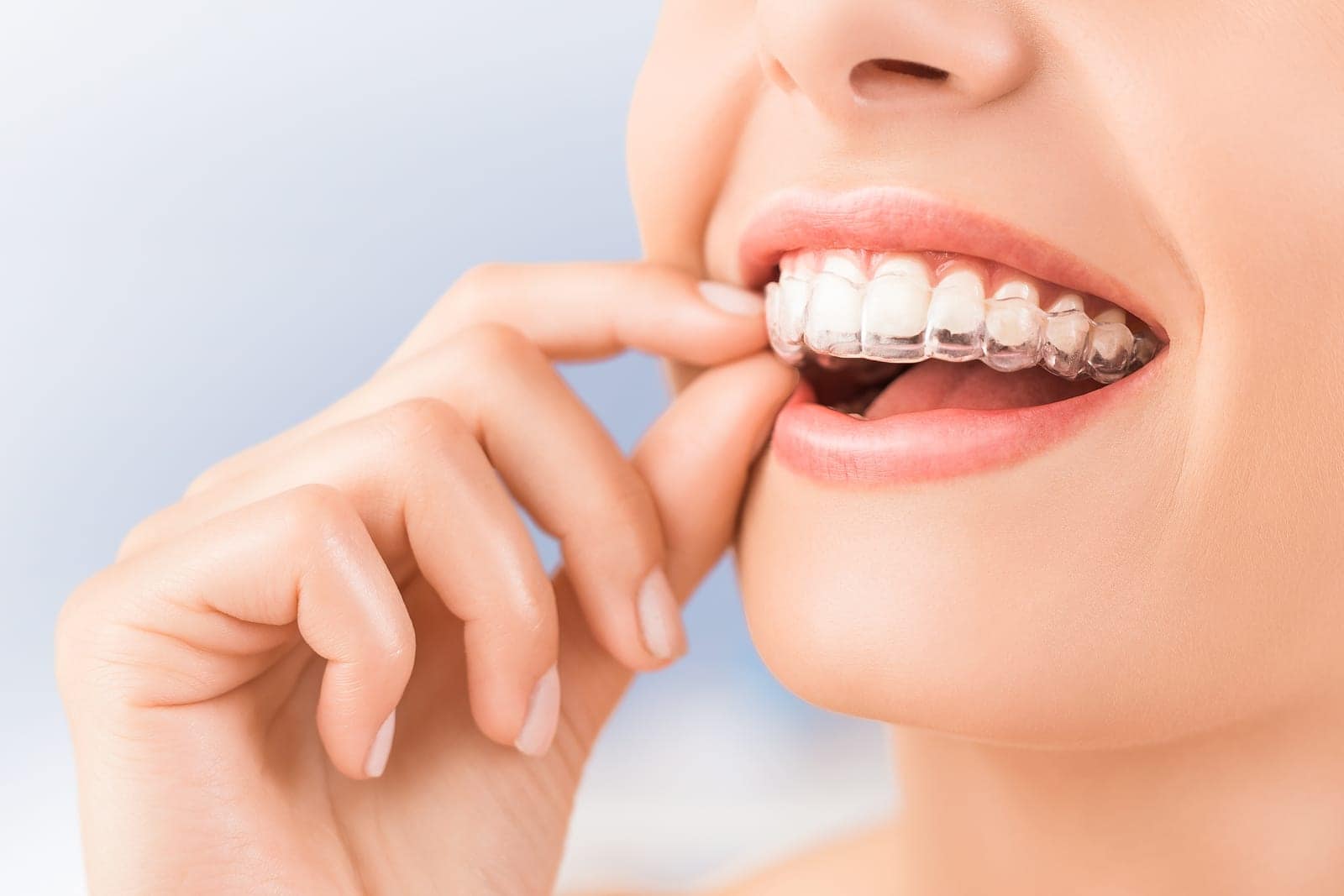
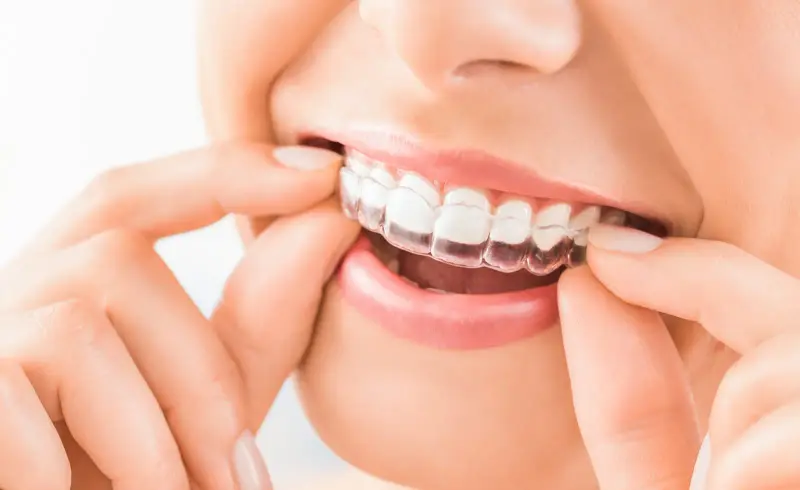
Why teeth shift after braces, and what to do about it
Teeth shift after braces because the ligament around each tooth keeps remodeling for life, the jaw keeps changing and bite forces add up. A new retainer or limited Invisalign usually puts things right.
Prices in this guide are regional estimates for context, not quotes from Marina Dentistry. Your written plan from the office is the only price that applies to you.
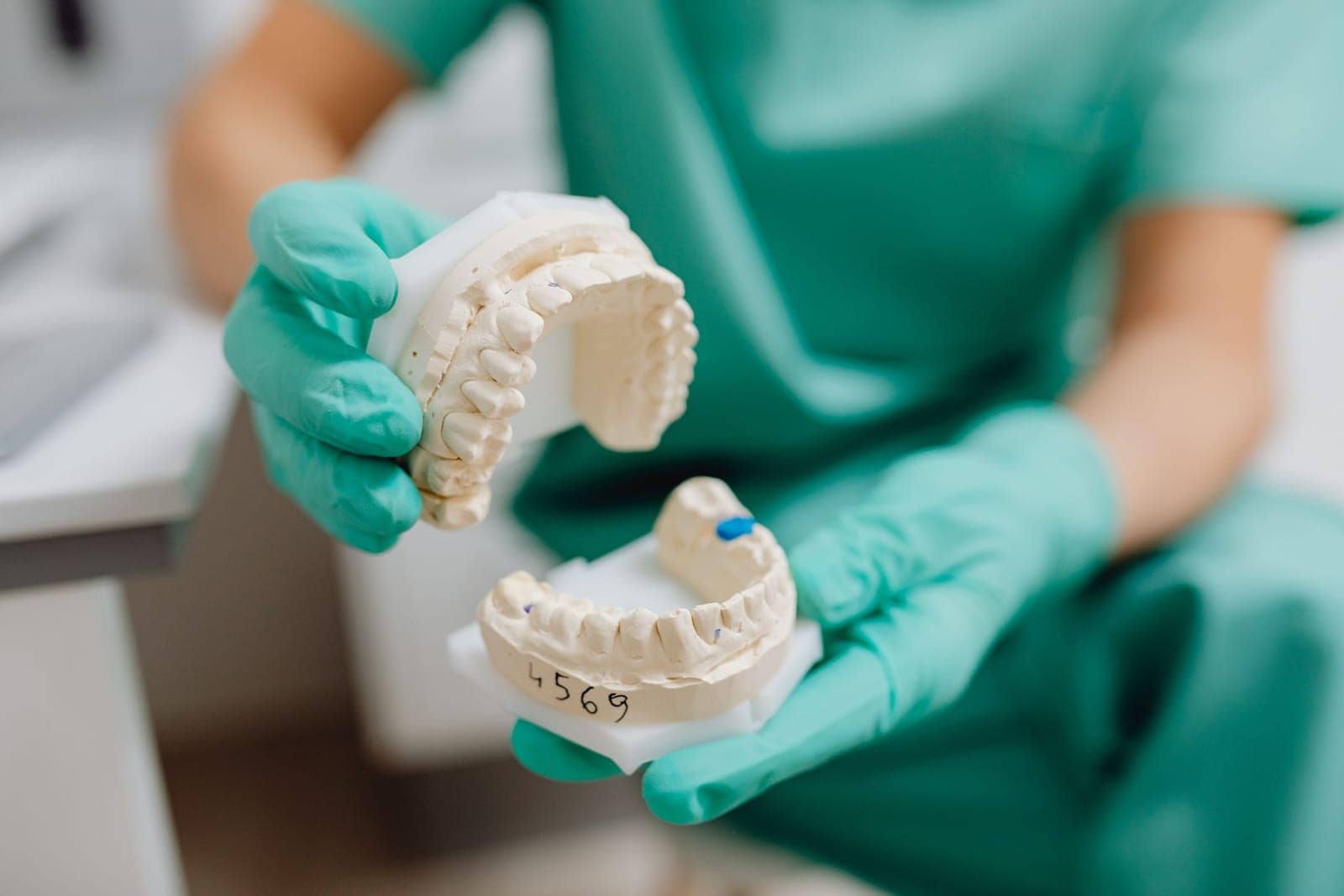
Teeth shift after braces because the ligament that holds each tooth in its socket never stops remodeling, the jaw keeps changing shape into adulthood, and years of chewing, swallowing and small dental changes nudge teeth toward the front of the mouth. It is not a sign that your orthodontic treatment failed. It is what teeth do when nothing is holding them. The fix depends on how far they have moved: a new retainer holds teeth that have barely shifted, and a short course of Invisalign brings teeth back before a retainer holds them there.
This guide explains why teeth move for life, what to do with the retainer from ten years ago that no longer fits, how to decide between a new retainer and limited Invisalign, how retention works over the long term, and what a consultation at Marina Dentistry involves.
Why teeth move for life
Teeth are not fused to the jaw. Each one sits in a socket, suspended by a thin layer of fibers called the periodontal ligament, which acts like a sling. Press on a tooth for long enough and the bone on one side dissolves while new bone fills in on the other. That is how braces and aligners work, and it is also why teeth drift when nothing holds them. Several forces are always at work.
Ligament memory. The fibers of the ligament and the gum are stretched and rearranged when teeth are moved. For months after braces come off, those fibers pull the teeth back toward where they started. This is the strongest force in the first year after treatment, and it is why retainers are worn most in that year.
Growth that never quite stops. The lower jaw continues to grow and rotate subtly into the twenties, and the face keeps changing shape slowly through adult life. As the lower jaw changes, the lower front teeth are pressed against the upper ones and tend to crowd. This is why the lower front teeth are usually the first place you notice shifting, whether or not you had braces.
Bite forces. Every time you swallow, your tongue presses forward on your teeth. Every time you chew, your back teeth push the whole row slightly toward the front, a process called mesial drift. Clenching and grinding add more. Over years these small pushes add up.
Tooth loss and dental work. When a tooth is lost, the teeth beside it tip into the space and the tooth above or below drifts toward the gap. A crown or filling that sits slightly high changes how the teeth meet, and the bite adjusts around it.
Gum changes. Gum disease dissolves the bone that supports teeth, and teeth with less bone move more easily. Spaces opening between front teeth in middle age are often the first visible sign of bone loss, which is one reason your dentist measures your gums at every exam.
Wisdom teeth are often blamed for lower crowding. They may contribute slightly in some people, but crowding happens just as often in people whose wisdom teeth were removed early or never formed. The main drivers are the ones above.
The retainer from ten years ago
Many people find an old retainer in a drawer when they notice their teeth have moved, and the first instinct is to push it on and sleep in it. Please do not force it.
If the retainer slides on with light pressure and seats fully, the teeth have barely moved, and wearing it nightly will usually hold them where they are. It may feel tight for a few nights. If it does not seat fully, if you have to bite it into place, or if it rocks or hurts, the teeth have moved more than the retainer can safely correct. Forcing it can tip a tooth too quickly, strain the ligament, loosen a tooth, or crack the retainer so it holds teeth in a position that is no longer right. A clear retainer that has warped, yellowed or thinned has lost its shape and should be replaced regardless of fit.
Bring the old retainer to your consultation. Comparing it with your teeth today tells your dentist how much movement has happened.
A new retainer or limited Invisalign
The decision comes down to whether you want to hold your teeth where they are or move them first.
A new retainer makes sense when the shift is slight, you are comfortable with how your teeth look, and your main goal is to stop further movement. Your dentist takes a scan or impression and makes a clear retainer or a wire-and-acrylic one, usually within a couple of weeks. Nothing moves; the current position is simply held.
Limited Invisalign makes sense when the front teeth have crowded, rotated or spaced enough that you notice it, but the bite itself is sound. A limited case uses a shorter series of aligners to move a handful of teeth back, often over a few months rather than a year or more. At the end, a retainer holds the new position. Many adults who had braces as teenagers fall into this group. Our Invisalign page describes how aligners work, and our post on the first week with Invisalign covers what the early days feel like.
A fuller course of treatment, or a referral, makes sense when the bite has changed as well as the alignment, when teeth need to move a long way or rotate sharply, or when gum disease needs treating before any tooth is moved. Marina Dentistry is an Invisalign Gold Provider (2024), and the dentists here treat many limited and moderate cases with aligners. Your dentist is a general dentist, not an orthodontist, and part of the consultation is saying plainly when a case belongs with one. Our orthodontics page explains how that decision is made.
Cost follows complexity. A retainer is the least expensive option, a limited aligner case sits at the low end of Invisalign fees, and comprehensive treatment at the high end. Our guide to how much Invisalign costs in Marina del Rey explains what is inside the fee and how an orthodontic benefit applies.
How retention works long term
Whichever route you take, retention is the part that lasts. The current approach treats retainers as long-term, with nightly wear as the norm, because the forces described above never switch off.
- The first few months after any tooth movement usually call for full-time wear while the ligament settles. Your dentist tells you how long.
- After that, nights only. A retainer worn while you sleep is enough to hold most teeth for as long as you keep wearing it. Skip a week and it may feel tight; skip a year and it may not fit.
- Removable or fixed. A clear removable retainer covers all the teeth and is easy to clean. A thin wire bonded behind the lower front teeth holds the teeth that shift most without any effort from you, but it needs flossing under and can break unnoticed. Some patients have both.
- Replace before it fails. Clear retainers wear out. Having a spare made while the current one still fits is far simpler than correcting movement later.
- Check it at your cleaning. Bring your retainer to your regular teeth cleaning so your dentist can check its fit and condition.
The published Invisalign special
Marina Dentistry publishes a new-patient Invisalign offer on its specials page: Invisalign treatment starts at $2,999. The starting price is for simpler cases, and your final fee depends on case complexity and is confirmed in a written plan after your scan. The offer is for new patients and cannot be combined with insurance benefits or other offers. Call (310) 578-5000 to confirm the current terms before your visit.
What a consultation at Marina Dentistry involves
Your dentist examines your teeth, gums and bite, takes photos and a scan, and looks at your old retainer if you bring it. You explain what has changed and what bothers you. You then hear which of the three paths fits: a new retainer, a limited aligner case with a retainer afterward, or a referral to an orthodontist, with the reasons for each and a written fee before anything is decided. The team led by Dr. Sameer Aljanedi, DDS, sees patients at 4292 Lincoln Blvd in Marina del Rey six days a week, including Saturday. You can book online or read what to expect as a new patient.
This article is general information from Marina Dentistry and not a diagnosis. Only an exam can tell you what is right for your mouth. Request an appointment or call (310) 578-5000.