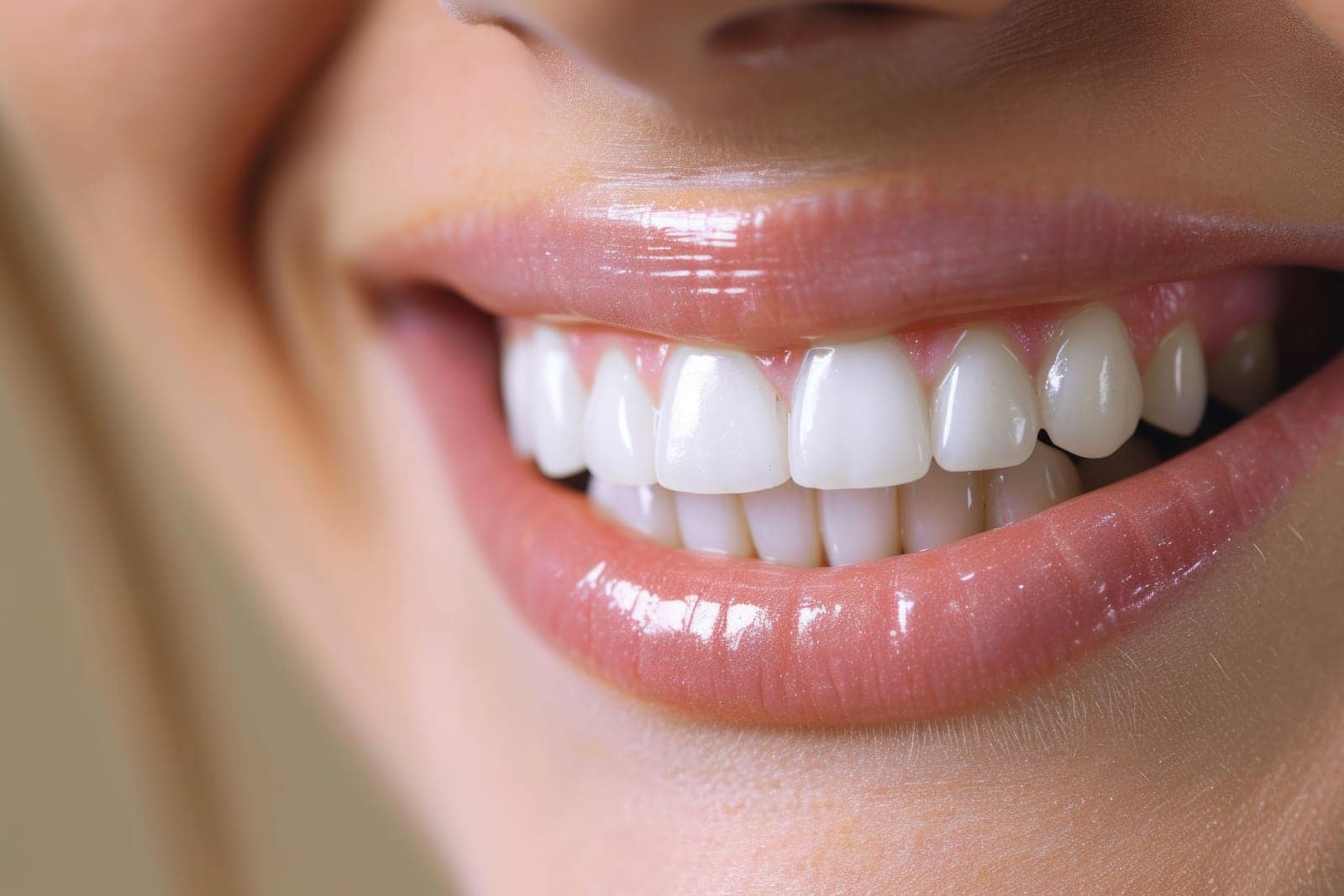
Porcelain veneers
$799 per veneer
Porcelain veneers planned and placed by your dentist.
$1,400 value per veneer. Final fee confirmed in a written plan after your consultation. New patients. Cannot be combined with insurance benefits or other offers.
Cosmetic
Cosmetic dentistry is the group of dental treatments chosen mainly to improve how your teeth and smile look, including teeth whitening, porcelain veneers, bonding, tooth-colored crowns and clear aligners. It is for adults and older teens with healthy teeth and gums who want to change the color, shape, spacing or alignment of their teeth.
At Marina Dentistry the consultation ends with the imaging your case needs and a written plan with a price, before anything is scheduled.
New patient offers
The same offers as on the specials page, with the fine print on each card. Claim one when you request your visit; we confirm the terms with you before anything is booked.
All new patient specials$799 per veneer
Porcelain veneers planned and placed by your dentist.
$1,400 value per veneer. Final fee confirmed in a written plan after your consultation. New patients. Cannot be combined with insurance benefits or other offers.
$99
One-hour in-office whitening.
$749 value. Results vary with the cause of discoloration; a cleaning before whitening may be recommended. New patients. Cannot be combined with insurance benefits or other offers.
Cosmetic dentistry is less a single procedure than a way of planning. The goal is a smile that looks natural, fits your face and holds up to daily use. The tools are everyday ones: whitening, porcelain veneers, bonding, tooth-colored crowns and clear aligners. The difference is in how they are combined.
At Marina Dentistry in Marina del Rey, cosmetic cases are examined and planned by your dentist on the team led by Dr. Sameer Aljanedi, a general dentist, for patients from Venice, Playa Vista and nearby. Health comes first: decay, gum disease and bite problems are treated before any veneer, bonding or whitening is planned. A veneer on an unstable tooth does not stay attractive for long.
Each option solves a different problem. Teeth whitening changes color but not shape. Bonding repairs small chips and gaps with tooth-colored resin in one visit. Porcelain veneers change color, shape and minor spacing at once. Dental crowns cover teeth too damaged for a veneer. Invisalign moves teeth rather than covering them. Many plans use two of these, and the order matters: aligners before veneers, and whitening before bonding so shades match.
A cosmetic consultation is mostly talking and looking. You explain what bothers you. Your dentist examines your teeth, gums and bite and takes photos. For larger cases your dentist may suggest a mock-up, a preview of the proposed shapes placed on your teeth or shown in images, so you can react before anything irreversible is done. For a complete redesign, see smile makeover.
Cosmetic work is elective, so the right time is when you want it and your mouth is healthy. Untreated decay or gum inflammation comes first, often alongside a teeth cleaning so the final shade can be judged accurately.
You describe what you want to change. Your teeth, gums and bite are examined and photos are taken to plan from.
You receive the options, the order of treatment, the number of visits and an insurance estimate where coverage may apply.
For veneers or a full redesign, a mock-up lets you see the proposed shapes before final work begins.
Whitening and bonding often finish in one visit. Veneers and crowns usually take two. Aligners run over months with short check-ins.
Your bite is checked, photos are taken and you leave with care instructions, a cleaning schedule and retainers if teeth were moved.
Most adults with healthy teeth and gums are candidates for some form of cosmetic dentistry. Active gum disease, untreated cavities, heavy grinding and very thin enamel can rule out specific options or change the order of care. Grinders usually need a night guard before veneers. Teens are often better served by whitening or aligners until their gums and bite finish maturing.
Cosmetic planning relies on good photos, accurate impressions or scans and shade matching under consistent light. Your dentist may use imaging and digital previews where they help.
Cosmetic work lasts longest in a mouth cared for the same way as natural teeth.
Cost depends on which treatments you choose, how many teeth are involved and the lab work needed. Cosmetic procedures are usually not covered by insurance, though crowns and some aligner cases may be partly covered; confirm your plan with the office. You receive a written plan before anything starts. Payment plans through Cherry, CareCredit and Sunbit are available subject to credit approval, and the membership plan offers savings for patients without insurance. See financing and insurance.
FAQ
A cosmetic dentist plans and performs treatments that improve the look of your teeth, such as whitening, veneers, bonding, tooth-colored crowns and clear aligners. In most practices this is a general dentist with training in these procedures. At Marina Dentistry that work is examined, planned and placed by a general dentist on the team led by Dr. Aljanedi.
It depends on the treatment. Whitening is the least involved, bonding is next, and porcelain veneers and crowns cost more because each one is custom made by a lab. Insurance rarely covers cosmetic work. We give you a written plan with the total before you commit, and payment plans through Cherry, CareCredit and Sunbit are available subject to credit approval.
Most cosmetic treatments involve little or no discomfort. Whitening may cause brief sensitivity that fades within a day or two. Bonding usually needs no anesthetic. Veneers and crowns are done with local anesthetic, so you feel pressure but not pain, and mild soreness afterward typically settles with over-the-counter relief. Tell us about sensitivity beforehand so we can adjust.
It ranges from one visit to many months. Whitening and bonding are usually finished in a single appointment. Porcelain veneers and crowns typically take two visits a couple of weeks apart while the lab makes them. Clear aligners move teeth over several months with brief check-ins. A combined plan is sequenced so each step is ready for the next.
Whiten first. Porcelain does not change color once it is made, so your dentist matches the veneer shade to your whitened natural teeth. The same applies to bonding and new crowns. If you whiten later, the natural teeth may lighten while the restorations stay put, and the mismatch shows. Plan whitening a couple of weeks ahead so the shade stabilizes.
Related
Guides
 How cosmetic dentistry can improve your career and confidencePeople who feel good about their smile speak up more, smile more and come across as more confident, and that shows up at work. How whitening, veneers and smile makeovers affect confidence and career presence.Dec 30, 2025Why are my teeth yellow?Yellow teeth usually come from surface stain, thinning enamel or both. What causes each, which medications play a part, what whitening can and cannot change, and when bonding or veneers come up instead.Sep 29, 2026Teeth whitening sensitivity and how long results lastWhitening sensitivity is common, short-lived and manageable, and results last months to a couple of years depending on habits. What causes the zings, what helps, and how to time whitening around an event or new veneers.Aug 4, 2026
Request a time online and we will confirm by phone or text during office hours. Same-day visits for dental emergencies.