General and family

Deep cleaning (scaling and root planing) in Marina del Rey

A deep cleaning, or scaling and root planing, is a non-surgical treatment for gum disease. The hygienist or dentist numbs the area, removes tartar and bacteria from tooth roots below the gumline and smooths the root so gums can reattach. It is for patients with gum pockets of 4 mm or more, bleeding and early bone loss.

At Marina Dentistry every visit ends with a written plan and a price before anything else is scheduled.

Open six days a week, including Saturday
All PPO plans and several HMO plans accepted
Written estimate before any treatment
Led by Dr. Sameer Aljanedi, DDS

New patient offer

A published offer for this treatment

The same offer as on the specials page, with the fine print on the card. Claim it when you request your visit; we confirm the terms with you before anything is booked.

All new patient specials
On this page
  1. Overview
  2. Who it is for
  3. What to expect
  4. Candidacy and alternatives
  5. Technology
  6. Aftercare
  7. Cost and financing
  8. FAQ
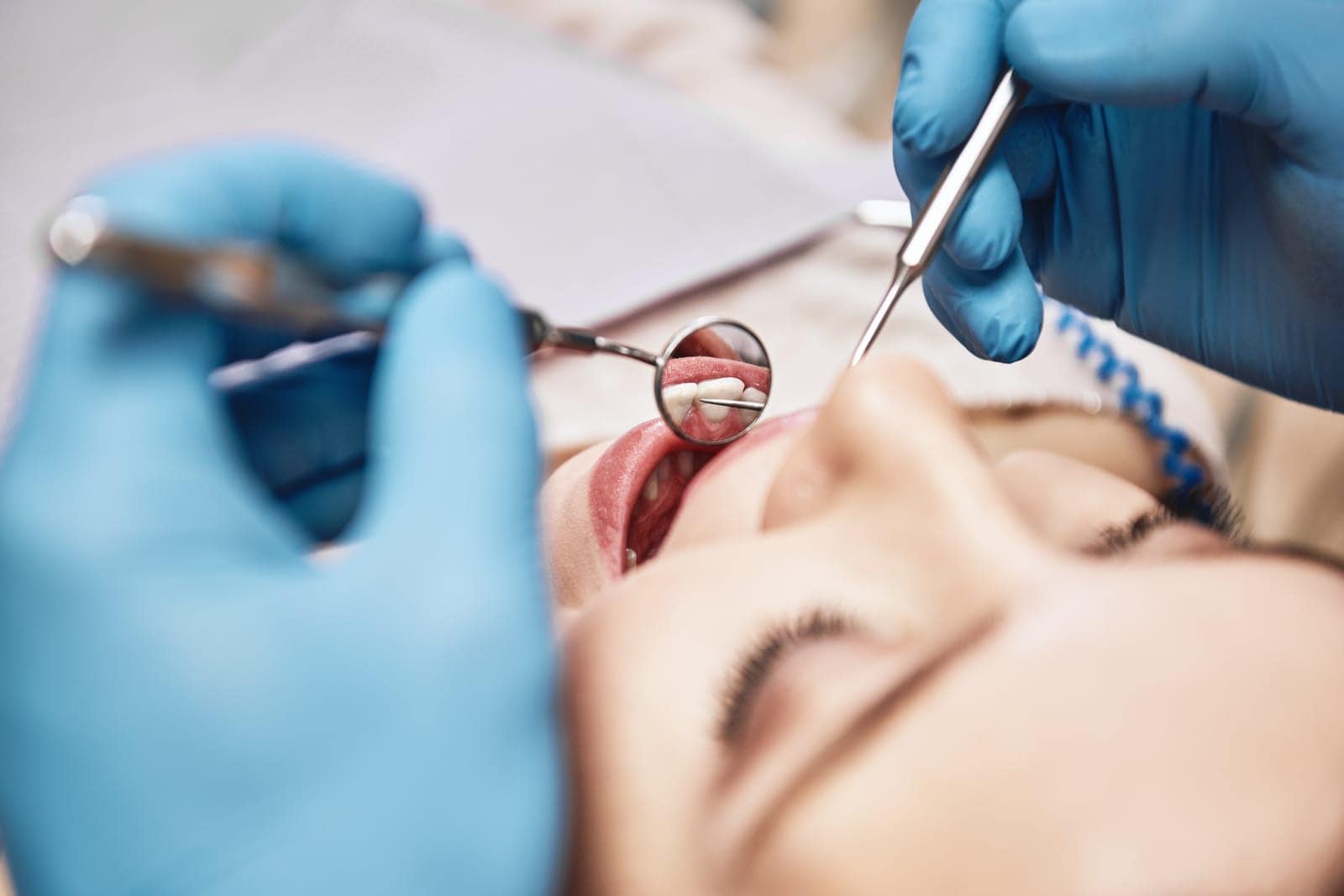
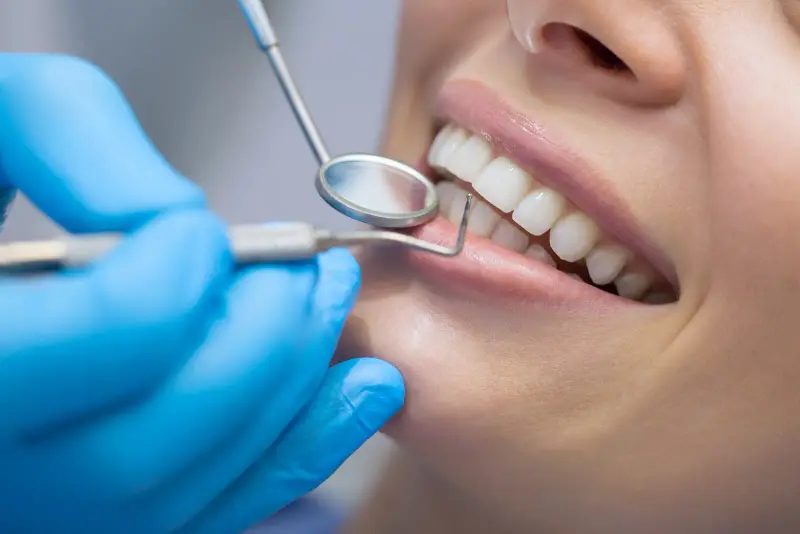
A dental mirror and probe held near a patient's teeth during a check

Quick facts

Good for
Gum pockets of 4 mm or deeper with bleeding or early bone loss
Visits
Usually one to four, often one or two quadrants per visit
Anesthesia
Local numbing of the treated area
Time
About 45 to 90 minutes per visit
Follow-up
Re-evaluation in four to six weeks, then maintenance every three to four months

A regular cleaning works above the gumline and just below it. When gum disease has created pockets deeper than about 3 mm, tartar and bacteria sit on the root surface where a toothbrush, floss and a standard cleaning cannot reach. Left alone, the infection slowly dissolves the bone that holds the tooth. A deep cleaning stops that process without surgery.

The clinical name is scaling and root planing. Scaling removes hardened deposits from the root. Planing smooths the root so the gum can reattach and bacteria have a harder time clinging. At Marina Dentistry, your dentist measures every pocket at your exam and recommends deep cleaning only where the numbers and X-rays show it is needed, not as a default upgrade.

Why it is done by quadrant

The mouth is divided into four sections. Treating one or two at a visit keeps appointments manageable, lets numbing be targeted and means you can still eat comfortably on the other side afterward. Mild, localized disease may need only one visit; more widespread disease usually takes two to four.

Who this is for

  • Gums that bleed when you brush or floss, with pockets measuring 4 mm or more
  • Bad breath or a bad taste that does not improve with brushing
  • Gums that look red, puffy or are pulling away from the teeth
  • X-rays that show early bone loss around some teeth
  • A dentist elsewhere told you that you need a deep cleaning and you want a second look

If your gums are healthy, you do not need this and should not be sold it. The exam decides, and you can see the pocket chart yourself. Read more about the stages on our gum disease treatment page.

What to expect, step by step

  1. Exam and periodontal charting

    Your dentist measures the pocket depth at six points around each tooth and reviews X-rays for bone loss. The chart shows exactly where deep cleaning is needed.

  2. Numbing

    Local anesthetic numbs the quadrant being treated. Most patients feel pressure and vibration but not pain.

  3. Scaling

    Hand instruments and an ultrasonic scaler remove tartar and bacterial deposits from the root surfaces below the gumline.

  4. Root planing

    The root is smoothed so the gum tissue can heal tightly against it. An antibacterial rinse or medication may be placed in deep pockets.

  5. Re-evaluation and maintenance

    About four to six weeks later, the pockets are measured again. Most shrink. You then move to periodontal maintenance visits, typically every three to four months.

Is this the right visit for you?

Deep cleaning is for gingivitis that has progressed to early or moderate periodontitis: pockets of 4 to 6 mm, bleeding on probing and some bone loss. It is not needed for healthy gums or simple gingivitis, which a regular cleaning and better home care resolve. Very deep pockets, loose teeth or advanced bone loss may need more than scaling can do, and your dentist may recommend a periodontist. Bleeding disorders or certain medications may require coordination with your physician first.

Alternatives worth discussing

  • Regular cleaning plus better home care. Right for gingivitis without bone loss. Pockets are shallow enough for a standard cleaning to reach, and inflammation resolves in a few weeks.
  • Gum surgery. When pockets are too deep to clean from the surface or bone has been lost, a periodontist can fold back the gum to clean and reshape. Reserved for advanced cases.
  • Doing nothing. Gum disease rarely hurts until late. Untreated, it is the leading cause of tooth loss in adults, and the bone it destroys does not grow back on its own.

Technology and materials

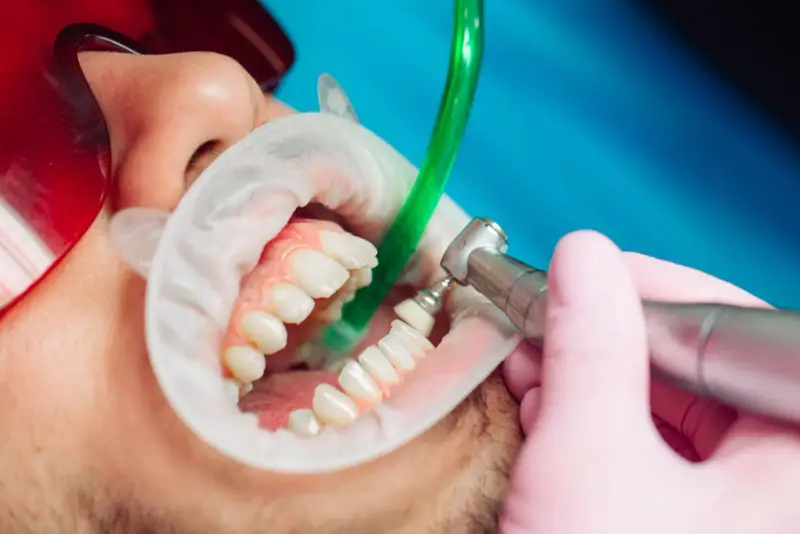
Scaling and root planing is done with fine hand instruments and ultrasonic tips that vibrate deposits loose while rinsing the pocket.

Recovery and aftercare

Expect tender gums and some cold sensitivity for a few days as the tissue heals and shrinks back to the tooth.

  • Eat soft foods on the treated side until numbness wears off, usually two to three hours
  • Brush gently and floss the treated area the same day; skipping it lets bacteria rebuild
  • Rinse with warm salt water two or three times a day for the first few days
  • Keep your maintenance visits; they are what keeps the pockets from refilling

Cost and financing

Deep cleaning is charged per quadrant, so the cost depends on how many areas need treatment and whether medication is placed in the pockets. Most PPO plans cover it when charting and X-rays show the need, often at a shared percentage. Marina Dentistry accepts PPO plans and a range of HMO plans, including Delta Dental and Anthem; confirm your plan with the office. You get a written estimate before treatment. Payment plans through Cherry, CareCredit and Sunbit are available subject to credit approval, and our membership plan discounts treatment for the uninsured. See financing and insurance.

What changes the cost

  • Number of quadrants that need treatment
  • Whether localized antibiotics are placed
  • Your insurance plan's coverage for periodontal treatment
  • Ongoing periodontal maintenance visits after treatment

Patient reviews

What patients say

Google review by Jay Jaabar Chuvac (opens in a new tab) · Jan 2025

“Had a wonderful experience with my visit today I had my teeth cleaned and the hygienist was very knowledgeable and showed me all I can do to improve my dental health! I highly recommend this establishment to you clean environment friendly receptionist and very efficient with your time slots.”

Jay Jaabar Chuvac

Google review by Julie Bombardier (opens in a new tab) · Feb 2025

“Very clean office right off the fwy very conveniently located and the front desk girls are so helpful professional and friendly. Made me feel welcome and comfortable thank you !!”

Julie Bombardier

All reviews

FAQ

Questions about deep cleaning

Does a deep cleaning hurt?

The area is numbed first, so most people feel pressure and vibration rather than pain during the procedure. Afterward, gums are usually tender for a few days and teeth can be sensitive to cold for a week or two. Over-the-counter pain relievers, salt water rinses and a sensitivity toothpaste handle it for most patients.

How many visits does a deep cleaning take?

It depends on how many quadrants need treatment. Localized disease may be finished in one visit. Widespread disease is usually split across two to four visits of 45 to 90 minutes each, often one or two quadrants at a time. A re-evaluation follows about four to six weeks later to measure how the pockets responded.

What is the difference between a regular cleaning and a deep cleaning?

A regular cleaning removes plaque and tartar from the crowns of the teeth and just below the gumline, for people with healthy gums. A deep cleaning goes further down the root into gum pockets of 4 mm or more, removes deposits there and smooths the root, and requires numbing. It treats disease rather than preventing it.

How much does a deep cleaning cost?

Deep cleaning is priced per quadrant, so the total depends on how many areas need it and whether antibiotics are placed. Many PPO plans cover part of the cost when X-rays and gum measurements document the need. The office gives you a written estimate first, and payment plans through Cherry, CareCredit and Sunbit are available subject to credit approval.

Do I need a deep cleaning if my gums do not hurt?

Possibly. Gum disease is usually silent until it is advanced, which is why it is measured rather than felt. If your pocket depths are 4 mm or more with bleeding and X-rays show bone loss, a deep cleaning is recommended even without discomfort. If the measurements are healthy, you do not need one, whatever a previous office said.

Will my gums grow back after a deep cleaning?

Gums that have receded from bone loss generally do not grow back on their own, but inflamed, puffy tissue shrinks and tightens against the tooth as it heals. That often makes teeth look slightly longer, which is a sign the swelling is gone. Pockets become shallower and easier to keep clean, which is the goal.

Ready to take the next step?

Request a time online and we will confirm by phone or text during office hours. Same-day visits for dental emergencies.