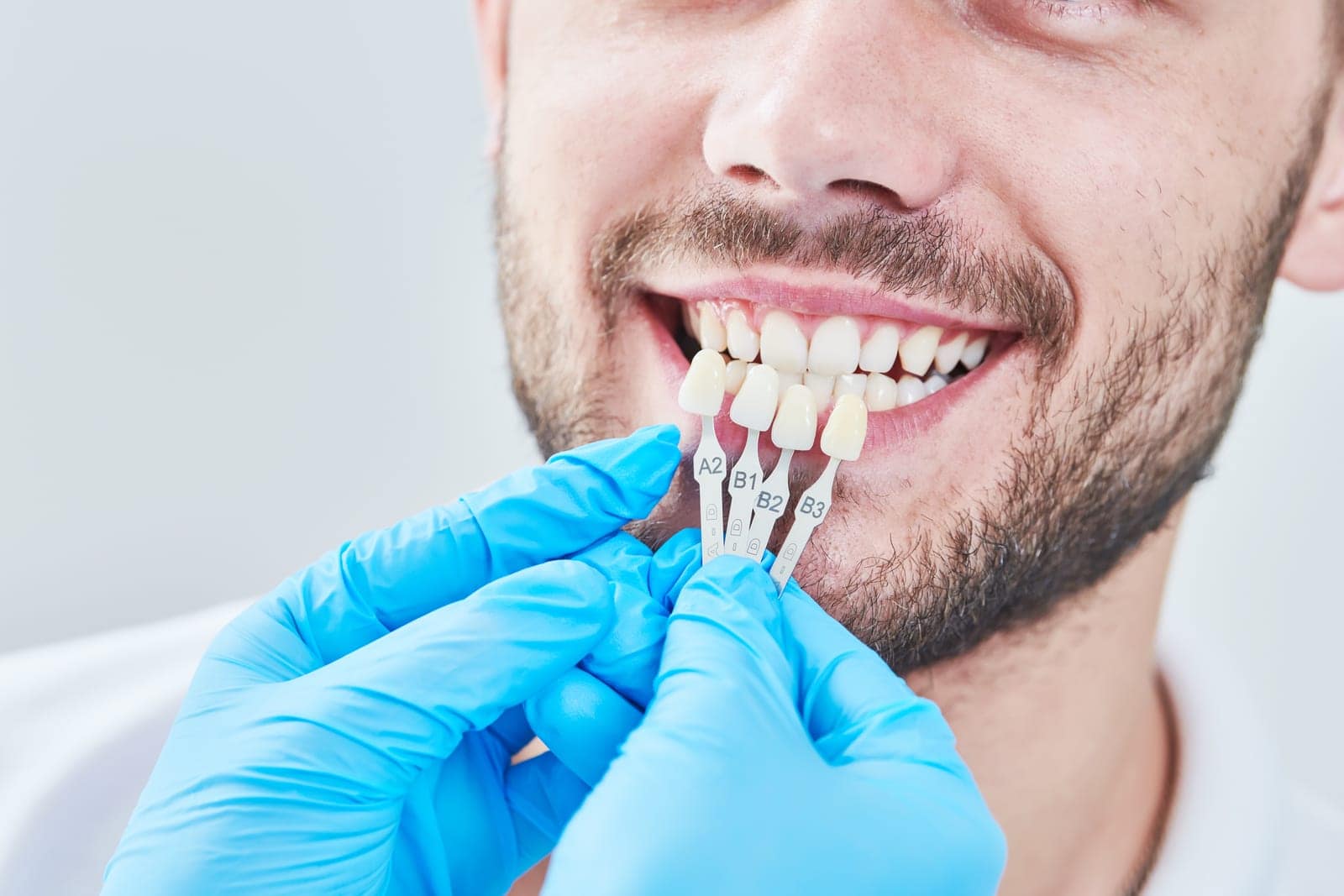
Porcelain veneers
$799 per veneer
Porcelain veneers planned and placed by your dentist.
$1,400 value per veneer. Final fee confirmed in a written plan after your consultation. New patients. Cannot be combined with insurance benefits or other offers.
Cosmetic
Porcelain veneers are thin ceramic shells, custom made and bonded to the front of teeth to improve color, shape, length or spacing. They suit adults with healthy teeth and gums who have stains whitening cannot fix, chips, worn edges, gaps or mild crowding. Most cases take two visits, and veneers often last ten years or more with good care.
At Marina Dentistry the consultation ends with the imaging your case needs and a written plan with a price, before anything is scheduled.
New patient offers
The same offers as on the specials page, with the fine print on each card. Claim one when you request your visit; we confirm the terms with you before anything is booked.
All new patient specials$799 per veneer
Porcelain veneers planned and placed by your dentist.
$1,400 value per veneer. Final fee confirmed in a written plan after your consultation. New patients. Cannot be combined with insurance benefits or other offers.
Complimentary
A consultation with your dentist including full-mouth X-rays and an examination, so you leave with a clear picture and a written plan.
Consultation and X-rays only. New patients. Cannot be combined with insurance benefits or other offers.
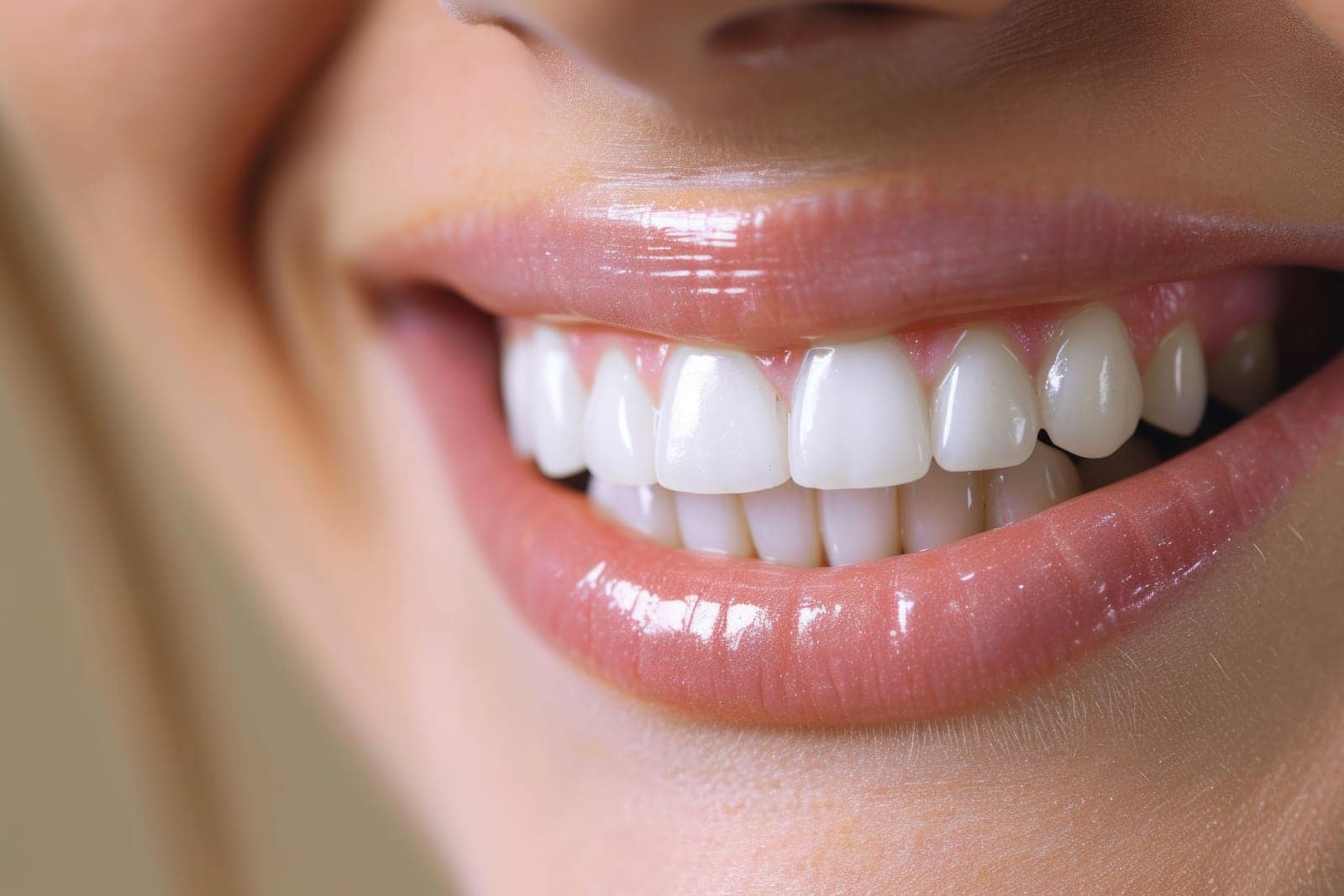
A porcelain veneer is a thin shell of ceramic, about the thickness of a fingernail, bonded to the front of a tooth. It changes what you see: color, shape, length and the way the tooth meets its neighbors. Because porcelain reflects light much like enamel, a well-made veneer is hard to pick out from the teeth around it.
Veneers suit front teeth that are structurally sound but cosmetically off: stains that resist teeth whitening, a chipped corner, edges worn flat by grinding, a gap, or a tooth slightly out of line. When a tooth is heavily filled or cracked, a dental crown is usually the better choice because it wraps the whole tooth.
The material is only half the result. The rest is design: how long for your lip line, how wide for your face, how bright before they look artificial. At Marina Dentistry in Marina del Rey, your dentist examines your teeth and bite, takes photos and talks through what you want to change. For most cases we suggest a preview, a temporary version of the proposed shapes in your own mouth, before any tooth is prepared. Patients come from Venice, Playa Vista and Santa Monica for this kind of planning.
Veneers work best on teeth with enough healthy enamel to bond to and a bite that does not overload the front teeth. Inflamed gums or untreated decay are handled first so the margins stay clean and the shade can be judged properly.
Your teeth, gums and bite are examined, photos and a scan are taken, and you learn whether veneers, bonding or another option fits best.
In many cases a trial version is placed over your teeth so you can judge length and shape in a mirror before anything is removed.
Under local anesthetic, a thin layer of enamel is removed from each tooth. A final scan or impression goes to the lab and temporaries are placed.
A ceramist makes each veneer to the agreed shape and shade, usually over two to three weeks while you wear the temporaries.
Each veneer is checked for fit, color and bite, then bonded and polished. A short visit a week or two later checks the bite and gums.
Good candidates have healthy gums, enough enamel for bonding and a stable bite. Heavy grinding does not rule veneers out, but a night guard is usually part of the plan, since porcelain can chip under that load. Significantly crooked teeth are often better treated with Invisalign first, which lets the veneers be thinner. Teens are typically asked to wait until their gums and bite have finished maturing.
Veneer quality depends on accurate impressions or scans, careful shade matching and a skilled dental ceramist. Your dentist may use photography and digital design to preview the result before any tooth is prepared.
Veneers are cared for like natural teeth, with a few sensible precautions.
Mild cold sensitivity for the first few days is common and usually fades.
Veneer cost depends mainly on how many teeth are treated and the lab work. Insurance usually treats veneers as cosmetic and does not cover them; confirm your plan with the office. You receive a written plan with the total before any preparation begins. Payment plans through Cherry, CareCredit and Sunbit are available subject to credit approval, and the membership plan offers savings for patients without insurance. See financing and insurance.
FAQ
Porcelain veneers often last ten years or more, and many patients keep them longer. Lifespan depends on how well the bonding holds, how you use your front teeth and whether you grind. Veneers do not decay, but the tooth beneath can, so daily flossing and regular checkups matter. When a veneer chips or the gum recedes, it can be replaced.
Most patients describe veneer preparation as pressure rather than pain. The teeth are numbed with local anesthetic before any enamel is removed, and the bonding visit often needs little or no anesthetic. Some sensitivity to cold for a few days afterward is common and typically fades. If dental visits make you anxious, ask about sedation options at your consultation.
Veneers are priced per tooth, so the total depends on how many you need and the lab work. They cost more than bonding or whitening because each one is handmade from porcelain. Insurance rarely covers them. We provide a written plan with the total before starting, and payment plans through Cherry, CareCredit and Sunbit are available subject to credit approval.
Most veneer cases take two visits about two to three weeks apart, plus a consultation beforehand. At the first visit the teeth are prepared and temporaries placed; at the second the finished veneers are tried in and bonded. If a preview or whitening is part of your plan, add one or two short appointments. A brief follow-up checks the bite.
No, but they are not reversible. A thin layer of enamel, usually less than a millimeter, is removed so the veneer sits flush, and that tooth needs a veneer or crown from then on. The tooth underneath can stay healthy as long as you brush, floss and keep up checkups. Most problems trace to skipped care or unprotected grinding.
Related
Guides
 How dental financing works for major proceduresDental financing lets you start implants or veneers now and pay over time through plans such as Cherry, CareCredit and Sunbit, subject to credit approval. Here is how applying works and how it pairs with insurance.Jan 12, 2026
 How cosmetic dentistry can improve your career and confidencePeople who feel good about their smile speak up more, smile more and come across as more confident, and that shows up at work. How whitening, veneers and smile makeovers affect confidence and career presence.Dec 30, 2025
Request a time online and we will confirm by phone or text during office hours. Same-day visits for dental emergencies.