Implants

Bone grafting and sinus lifts in Marina del Rey

Bone grafting adds bone material to the jaw where it has shrunk or been lost, so a dental implant has enough support. A sinus lift is a specific graft for the upper back jaw, where the sinus sits close to the bone. Both are for patients who want implants but have been told they lack bone.

At Marina Dentistry the consultation ends with the imaging your case needs and a written plan with a price, before anything is scheduled.

Open six days a week, including Saturday
All PPO plans and several HMO plans accepted
Written estimate before any treatment
Led by Dr. Sameer Aljanedi, DDS

New patient offer

A published offer for this treatment

The same offer as on the specials page, with the fine print on the card. Claim it when you request your visit; we confirm the terms with you before anything is booked.

All new patient specials
On this page
  1. Overview
  2. Who it is for
  3. What to expect
  4. Candidacy and alternatives
  5. Technology
  6. Aftercare
  7. Cost and financing
  8. FAQ
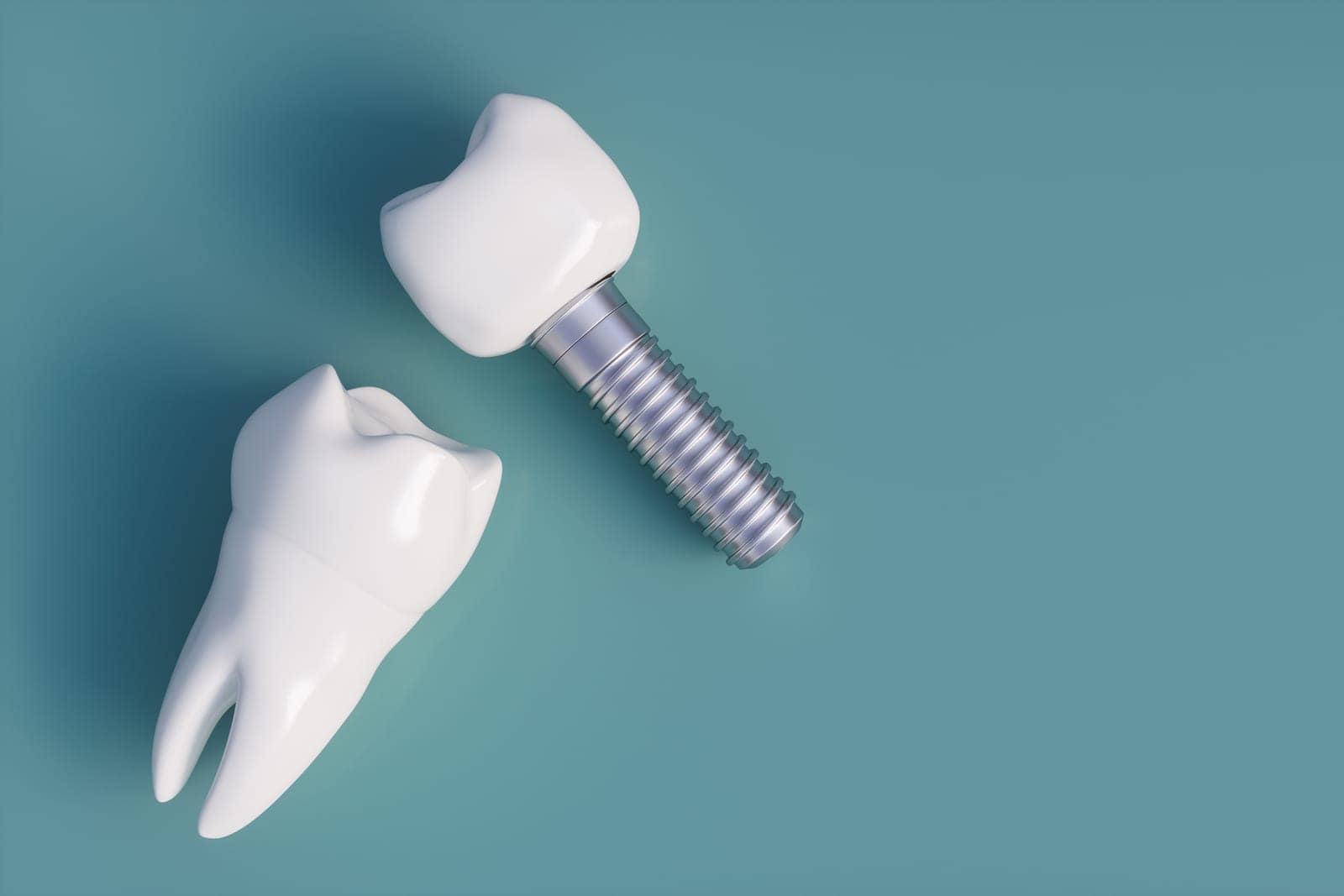
A model tooth beside a dental implant post on a teal background

Quick facts

Good for
Thin or shrunken jawbone before an implant
Types
Socket graft, ridge graft, sinus lift
Anesthesia
Local; sedation options available
Healing
Usually three to nine months before implant placement
Material
Your own bone, processed donor or animal-derived bone or synthetic

Jawbone exists to hold teeth. When a tooth is lost, the bone around the empty socket stops getting the signal it needs and begins to shrink. By the time many people decide on an implant, the ridge is too thin or too short to hold one safely.

Bone grafting reverses that. Graft material is placed where bone is missing, and over the following months your body replaces it with new bone of its own. The result is a ridge wide and tall enough for a dental implant to sit in solid bone.

Three common kinds of grafts

A socket preservation graft is placed at the time of an extraction to keep the ridge from collapsing. A ridge augmentation builds up a ridge that has already shrunk. A sinus lift is used in the upper back jaw, where the floor of the sinus often drops after molars are lost; the sinus membrane is gently raised and graft material is placed beneath it to create bone height.

Who this is for

  • You have been told you do not have enough bone for an implant
  • You are having a tooth removed and plan to replace it with an implant later
  • You lost upper back teeth years ago and the sinus now sits low

Grafting is a means to an end. We recommend it only when it changes what is possible for your implant or full-arch plan.

What to expect, step by step

  1. Consultation and imaging

    Your dentist examines the area and takes images that show bone height and width and the position of the sinus and nerves. You learn whether a graft is needed, which kind and how it changes the timeline.

  2. Choosing the graft material

    Options include your own bone, processed donor or animal-derived bone or synthetic material. Each has trade-offs that are explained before you decide.

  3. The procedure

    Under local anesthesia, with sedation if you choose, the gum is opened, the graft is placed and often covered with a protective membrane, and the gum is closed with stitches. A socket graft takes minutes; a sinus lift takes longer.

  4. Healing

    New bone forms over three to nine months depending on the size of the graft. Imaging later confirms the bone is ready.

  5. Implant placement

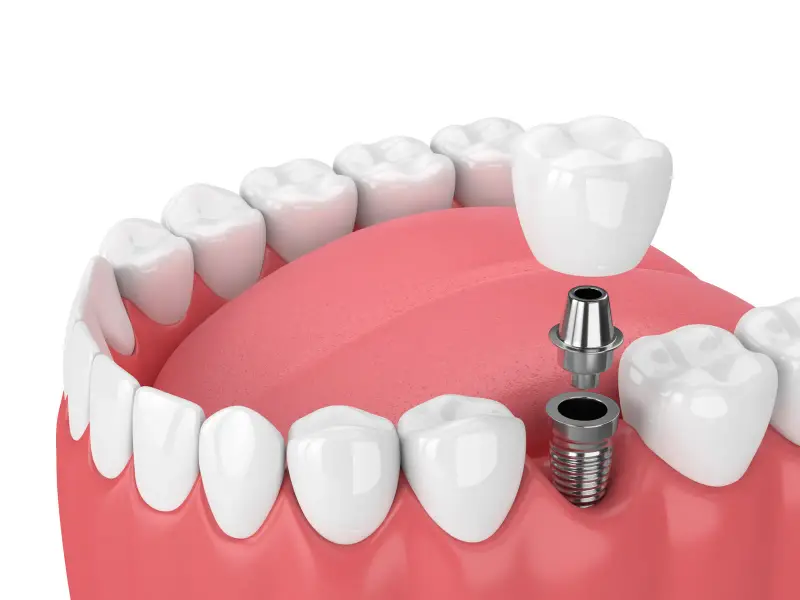
    Once the graft has matured, the implant is placed in the new bone. In some smaller cases, the graft and implant are placed in the same visit.

Are you a candidate?

Most people who are healthy enough for an implant are healthy enough for a graft. Smoking is the biggest controllable risk. Uncontrolled diabetes, certain bone medications and active gum disease need to be addressed first, and active sinus infections are treated before a sinus lift. Very large defects may be referred to a surgeon who handles them routinely; we tell you plainly when that is the right call.

Alternatives worth discussing

  • Shorter or angled implants. Sometimes an implant can be placed in the bone you have by using a shorter post or angling it into denser areas, avoiding a graft altogether.
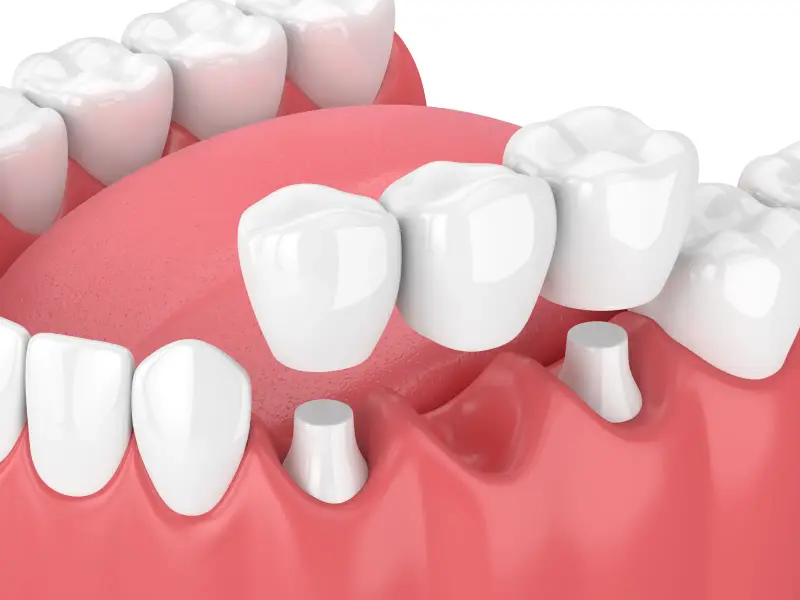
  • Bridge or partial denture. If you prefer to skip surgery, a fixed bridge or removable partial replaces the tooth without needing bone at the gap.

Technology and materials

Grafting decisions rest on imaging. Scans that show bone in three dimensions and the sinus outline may be used to decide whether a graft is truly needed and how big it should be.

Recovery and aftercare

Mild swelling, bruising and soreness are normal for a few days. Sinus lift patients are asked to protect the sinus while it heals.

  • Take medication as prescribed and use cold packs the first day
  • Eat soft foods and chew away from the graft for a week or two
  • Do not smoke, use straws or blow your nose forcefully, especially after a sinus lift
  • Keep the area clean with gentle rinsing rather than brushing the stitches

Cost and financing

The fee depends on the type of graft, its size, the material used and whether it is done on its own or at the same time as an extraction or implant. Insurance sometimes covers part of a graft when it is tied to an extraction, so our team checks your benefits. We accept all PPO plans and a range of HMO plans; confirm your plan with the office. You receive a written estimate. Payment plans through Cherry, CareCredit and Sunbit are available, subject to credit approval. See financing and insurance and our membership plan.

What changes the cost

  • Type of graft
  • Size of the area
  • Graft material
  • Done alone or with an extraction or implant
  • Sedation

FAQ

Questions about bone grafting

How much does a bone graft cost?

The fee depends on the type of graft, how large the area is, what material is used and whether it is combined with an extraction or implant placement. A small socket graft costs far less than a sinus lift. We do not list prices online; you receive a written estimate and insurance check after your consultation.

Is a bone graft painful?

The procedure is done under local anesthesia, so you should feel pressure but not pain. Afterward, most patients describe it as similar to a tooth extraction: sore and a little swollen for a few days, manageable with over-the-counter or prescribed medication. Sinus lifts can feel more like a head cold for a week.

How long after a bone graft can I get an implant?

Typically three to nine months. A small socket graft may be ready in three to four months, while a sinus lift or large ridge graft can take six to nine. Your body needs that time to turn graft material into living bone. Imaging before implant placement confirms the site is ready.

Where does the bone for a graft come from?

Most grafts today use processed bone from a tissue bank or an animal source, or a synthetic mineral, all of which are sterilized and widely used. Your own bone, taken from elsewhere in the mouth, is another option for certain cases. Your dentist explains which material suits your graft and why.

Do I need a graft if I just had a tooth pulled?

Not always, but if you plan on an implant later, a socket preservation graft at the time of extraction is often recommended. It keeps the ridge from collapsing while you decide, which can mean a simpler implant surgery down the road. If you choose a bridge instead, a graft is usually unnecessary.

Ready to take the next step?

Request a time online and we will confirm by phone or text during office hours. Same-day visits for dental emergencies.