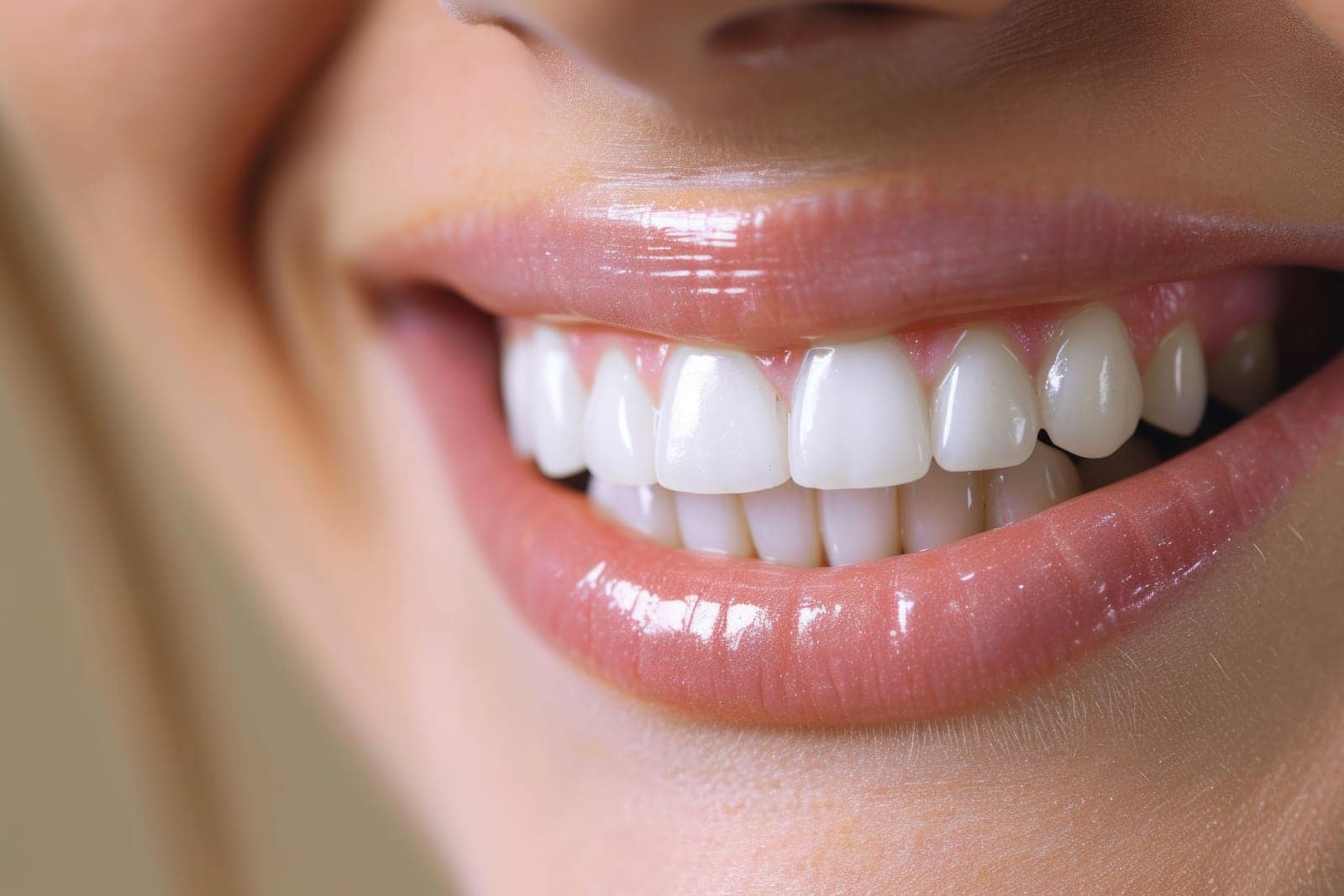
Teeth whitening
$99
One-hour in-office whitening.
$749 value. Results vary with the cause of discoloration; a cleaning before whitening may be recommended. New patients. Cannot be combined with insurance benefits or other offers.
Cosmetic
Teeth whitening is a dental treatment that uses a peroxide gel to lighten stains in tooth enamel, either in a single supervised office visit or over one to two weeks with custom take-home trays. It suits adults with healthy teeth and gums whose discoloration comes from food, drink, tobacco or age, and it does not lighten fillings, crowns or veneers.
A quick exam first, because whitening works on healthy teeth; then the method and strength that suit your enamel, with the price in writing.
New patient offer
The same offer as on the specials page, with the fine print on the card. Claim it when you request your visit; we confirm the terms with you before anything is booked.
All new patient specials$99
One-hour in-office whitening.
$749 value. Results vary with the cause of discoloration; a cleaning before whitening may be recommended. New patients. Cannot be combined with insurance benefits or other offers.
Teeth pick up color. Coffee, tea, red wine, curry and tobacco leave pigments that work into enamel over years, and enamel thins with age, letting the yellower dentin underneath show through. Whitening toothpaste polishes surface stain but does not reach the color inside the tooth. Professional whitening does.
Marina Dentistry offers two options: a supervised in-office session and custom take-home trays. The in-office treatment uses a stronger gel applied over about an hour with your gums protected, and most patients see a clear change in that visit. Take-home trays are molded to your teeth and used with a milder gel each day for one to two weeks. Many patients combine them.
Whitening gel on a cavity or an exposed root hurts, and whitening does nothing for a tooth that is dark because the nerve has died. So your dentist examines your teeth before recommending a method and strength. Your dentist checks for decay, gum recession and existing fillings or crowns, which do not change color and may need replacing afterward to match. If you have sensitive teeth, the plan is adjusted: a lower concentration, shorter sessions or a desensitizing gel first. Patients come from Venice, Santa Monica and Playa Vista for whitening matched to their teeth.
Whitening is not the right tool for every stain. Gray or banded discoloration from childhood antibiotics, a single dark tooth after an injury, and white spots often respond poorly and are better treated with bonding or porcelain veneers. Your dentist will tell you which group you fall into.
Your teeth and gums are checked for decay, recession and existing restorations, and your starting shade is recorded so you can see the change.
Surface plaque and tartar block the gel, so a teeth cleaning is often scheduled shortly before whitening.
Your lips and gums are covered, the gel is applied in timed rounds and rinsed off, usually within about an hour.
A scan or impressions are taken and custom trays made. You wear them with gel as directed, often 30 to 60 minutes a day for one to two weeks.
Your new shade is recorded. Trays can be reused with fresh gel every few months to hold the result.
Most adults with healthy teeth and gums are good candidates. Pregnancy and nursing are usual reasons to wait. Untreated cavities, cracked teeth and exposed roots need attention first, because gel in those areas causes sharp sensitivity. If most of your visible teeth are crowns or veneers, whitening lightens only the natural teeth around them and creates a mismatch, so a different plan makes more sense.
Professional whitening relies on a controlled peroxide concentration, protection for the gums and a dentist checking the teeth first. The office offers an in-office system and custom take-home trays.
Freshly whitened enamel is slightly more porous for a day or two, so what you eat and drink right afterward matters.
Whitening cost depends on whether you choose the in-office session, take-home trays or both. Dental insurance almost never covers whitening since it is cosmetic; confirm your plan with the office. You are told the total before starting. Payment plans through Cherry, CareCredit and Sunbit are available subject to credit approval, and the membership plan includes savings on cosmetic care for patients without insurance. See financing and insurance.
FAQ
Professional whitening typically lasts from six months to two years. The range is wide because it depends on habits: daily coffee, tea, red wine or tobacco bring stain back faster, while good brushing and regular cleanings hold the shade longer. Custom take-home trays make touch-ups easy, so most patients maintain their result with a few short sessions a year.
Whitening itself is not painful, but temporary sensitivity is common. Some patients feel brief, sharp twinges in their teeth during or after treatment, and gums can feel tender if gel touches them. This usually settles within a day or two. Telling us about sensitivity beforehand lets us lower the strength, shorten the sessions or use a desensitizing gel first.
The cost depends on whether you choose the in-office session, custom take-home trays or both. It costs more than drugstore strips because the gel is stronger, the trays fit your teeth and a dentist checks your mouth beforehand. Insurance does not cover whitening, so we quote the total first; payment plans are available subject to credit approval.
The in-office session usually takes about an hour, with the gel applied in several timed rounds. Add a few minutes at the start for shade recording and gum protection. Most patients see a noticeable change that same visit. Take-home trays work more gradually, typically over one to two weeks of daily wear, and the two are often combined.
Yes, when a dentist checks your teeth first and the gel is used as directed. Peroxide whitening has been studied for decades and, used correctly, is not shown to damage enamel. The risks are temporary sensitivity and gum irritation, and both fade. Problems arise from overuse of strong products without supervision or from whitening over untreated decay or exposed roots.
Related
Guides
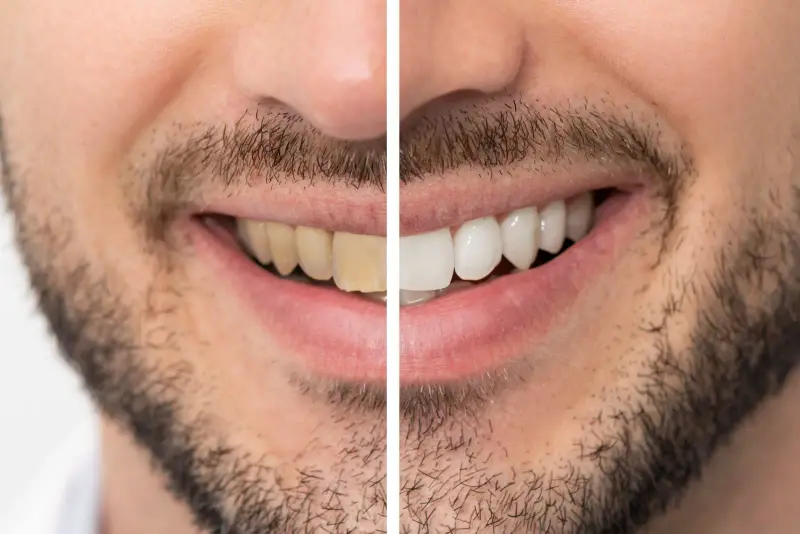 Teeth whitening: professional vs over-the-counter resultsProfessional whitening uses stronger gel under supervision, shows results in one visit or within a week or two, and holds for one to two years with maintenance. Over-the-counter kits work more slowly and fade sooner.Jan 6, 2026
 How cosmetic dentistry can improve your career and confidencePeople who feel good about their smile speak up more, smile more and come across as more confident, and that shows up at work. How whitening, veneers and smile makeovers affect confidence and career presence.Dec 30, 2025
Request a time online and we will confirm by phone or text during office hours. Same-day visits for dental emergencies.