Bone grafting and sinus lifts: preparing for a full arch implant
Full-arch implants need enough healthy jawbone to hold them. When bone is thin or the sinus sits low, a graft or sinus lift rebuilds support, then heals for three to six months before implants go in.

When considering full mouth dental implants or All-on-X restorations, one crucial factor determines long-term success, the quality and quantity of your jawbone. For some patients, the bone may not be strong or thick enough to support dental implants right away. That’s where bone grafting and sinus lift procedures come in.
At Marina Dentistry, Dr. Sameer Aljanedi has helped many patients in Marina del Rey, Venice, Playa del Rey, and Santa Monica prepare their smiles for full-arch implant success using advanced grafting techniques and modern 3D imaging.
This guide explains everything you need to know, from why these procedures are needed to how they fit into your overall All-on-X implant timeline.
Why bone health matters for implants
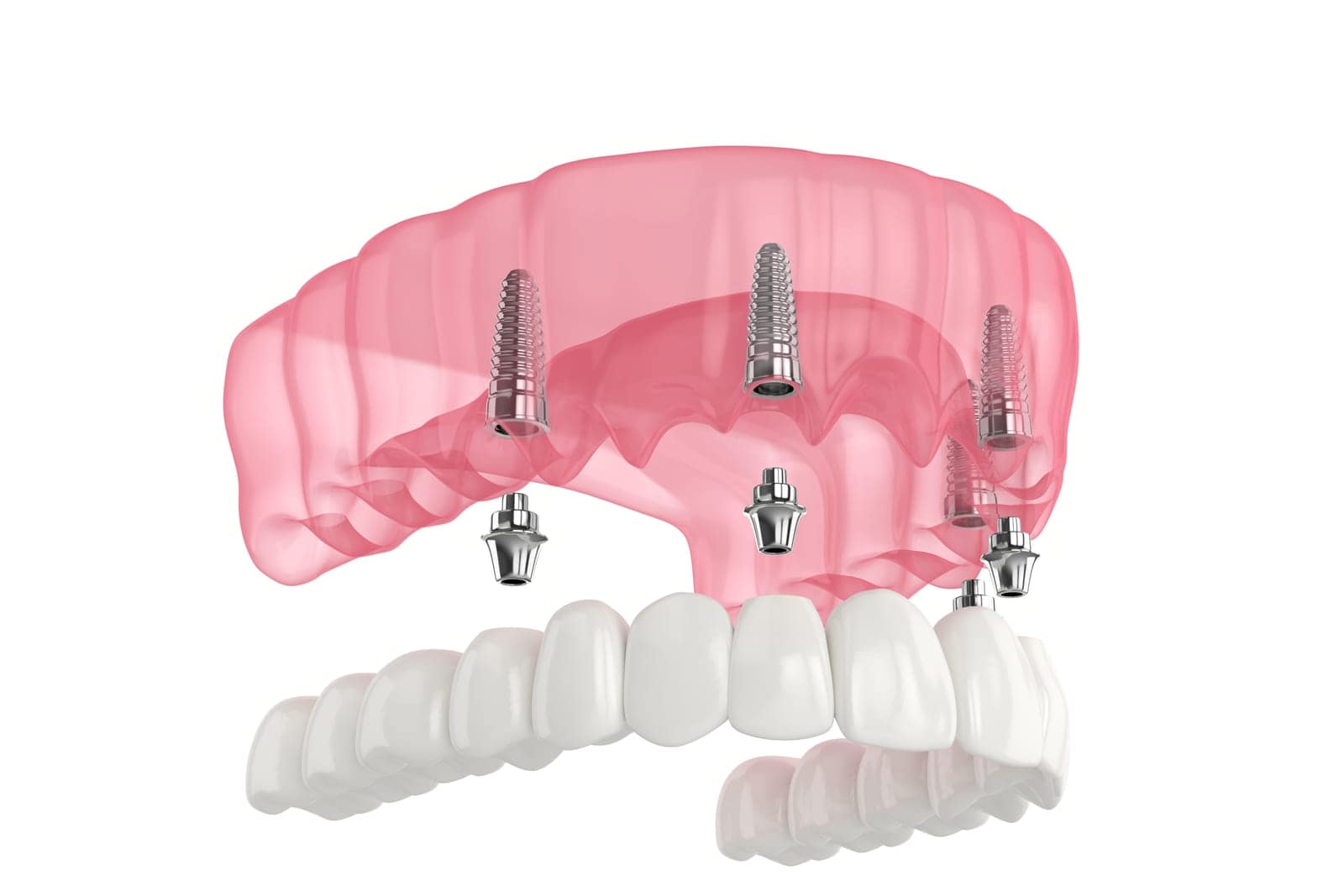
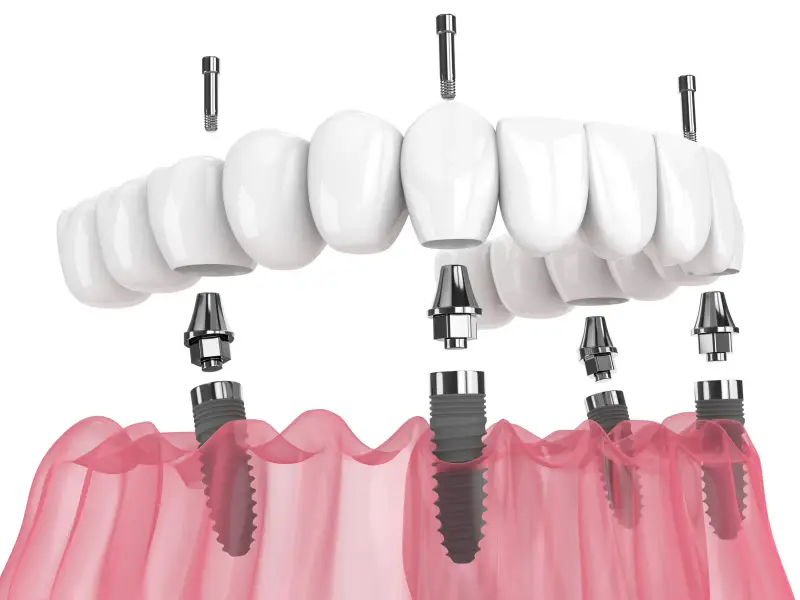
Dental implants rely on the jawbone for stability. When an implant is placed, the titanium post integrates directly with the bone through a process called osseointegration, forming a secure foundation for your new teeth.
However, if bone density is low or bone height is insufficient, implants may fail to integrate properly or lack the support needed for long-term durability.
Common causes of bone loss include
- Tooth loss or long-term denture wear
- Gum disease (periodontitis)
- Infection or trauma
- Sinus expansion into the upper jaw
- Natural bone resorption over time
If imaging shows your jawbone isn’t strong enough for implants yet, Dr. Aljanedi may recommend bone grafting or a sinus lift as a preparatory step.
What is bone grafting?
Bone grafting is a procedure that restores lost bone by adding natural or synthetic grafting material to the jaw. The graft acts as a scaffold, encouraging your body to generate new bone tissue over several months.
Once the grafted bone has fully integrated, it becomes strong enough to support one or more dental implants, or an entire full-arch implant bridge.
Types of bone grafts used at Marina Dentistry
1. Socket Preservation:
Performed immediately after a tooth extraction to prevent bone loss in that area.
2. Ridge Augmentation:
Rebuilds the natural contour and width of the jawbone after bone resorption.
3. Block Graft:
Used for more severe bone loss; involves placing a small block of bone material secured with titanium screws.
4. Particulate Graft (Granular):
Used in smaller or moderate areas, often mixed with PRF (platelet-rich fibrin) from your own blood to enhance healing.
5. Allograft or Synthetic Material:
Safe, biocompatible alternatives to natural bone that encourage regeneration.
What is a sinus lift?
A sinus lift, or sinus augmentation, is a specialized bone grafting procedure for the upper jaw, specifically the back molar area near the maxillary sinuses.
When teeth in this area are missing for years, or when natural bone height is limited, implants can’t be placed safely without encroaching on the sinus cavity.
The sinus lift procedure involves
- Creating a small window in the bone near the sinus.
- Gently lifting the sinus membrane upward.
- Packing bone graft material beneath the lifted membrane.
- Allowing 4 to 6 months for the graft to integrate and strengthen.
Once healed, the area provides a solid foundation for upper dental implants or full-arch restorations.
How bone grafting and sinus lifts fit into the full arch timeline
Step 1: comprehensive consultation
Using 3D imaging, your dentist evaluates your bone structure, sinus anatomy, and nerve positions. This detailed scan allows precise planning and eliminates guesswork.
If bone loss or sinus proximity is detected, grafting is incorporated into your full-arch plan before implant placement.
Step 2: grafting or sinus lift procedure
Depending on the extent of bone loss, the graft or sinus lift may be performed:
- Before implant surgery: to rebuild sufficient bone (traditional staged approach).
- At the same time as implant placement: in select cases where the bone still offers partial stability (immediate approach).
The procedure is typically performed under local anesthesia with sedation, ensuring comfort throughout.
Step 3: healing and bone integration
The grafting material gradually integrates with your natural bone over 3 to 6 months, depending on your health, bone metabolism, and the graft type used.
You’ll be closely monitored during this period to ensure strong integration before moving forward with the implant phase.
Step 4: full arch implant placement
Once healed, your dentist places four to six implants per arch using guided surgery for maximum precision. If you qualify for same-day placement, temporary fixed teeth can be attached immediately, letting you leave with a full, functional smile.
What to expect during recovery
After bone grafting or a sinus lift, mild swelling, tenderness, and congestion are normal for a few days. Most patients return to work within 2 to 3 days.
Recovery timeline overview
- Timeframe: Day 1 to 3; Healing Process: Mild swelling, minor bleeding.; Tips for Success: Use cold compresses, avoid nose blowing or heavy lifting.
- Timeframe: Week 1; Healing Process: Stitches begin to dissolve.; Tips for Success: Stick to soft foods (soups, yogurt, eggs).
- Timeframe: Weeks 2 to 6; Healing Process: Graft begins integrating with bone.; Tips for Success: Continue gentle brushing and saltwater rinses.
- Timeframe: Months 3 to 6; Healing Process: Complete bone fusion and stability.; Tips for Success: Resume normal diet once cleared by your dentist.
Quick answers
- Is bone grafting painful? No, thanks to modern anesthesia and sedation dentistry, most patients experience only mild discomfort similar to a tooth extraction.
- Can I have a sinus lift if I have sinus issues? Yes. Dr. Aljanedi carefully evaluates your sinus health and works in collaboration with ENT specialists if needed.
The benefits of bone grafting before implants
- Improved implant stability and longevity
- Stronger jawbone foundation for chewing and speaking
- Enhanced facial structure and aesthetics
- Prevention of further bone loss
- Eligibility for full mouth or All-on-X implants
Are you a candidate for full arch implants?
If you’ve been told you don’t have enough bone for implants, don’t give up. With bone grafting and sinus augmentation, we can rebuild your foundation for a strong, natural-looking smile.
Call Marina Dentistry today at (310) 578-5000 or request your consultation online to schedule a full 3D implant evaluation with Dr. Sameer Aljanedi in Marina del Rey.
Rediscover your smile, and your confidence, with the team that Westside LA trusts for implant excellence.
This article is general information from Marina Dentistry and not a diagnosis. Only an exam can tell you what is right for your mouth. Request an appointment or call (310) 578-5000.