
Wisdom teeth removal recovery: a day by day guide
What to expect after wisdom teeth removal, day by day: bleeding, swelling, what to eat, dry socket warning signs, and when to call. Plus how extractions are handled at Marina Dentistry.
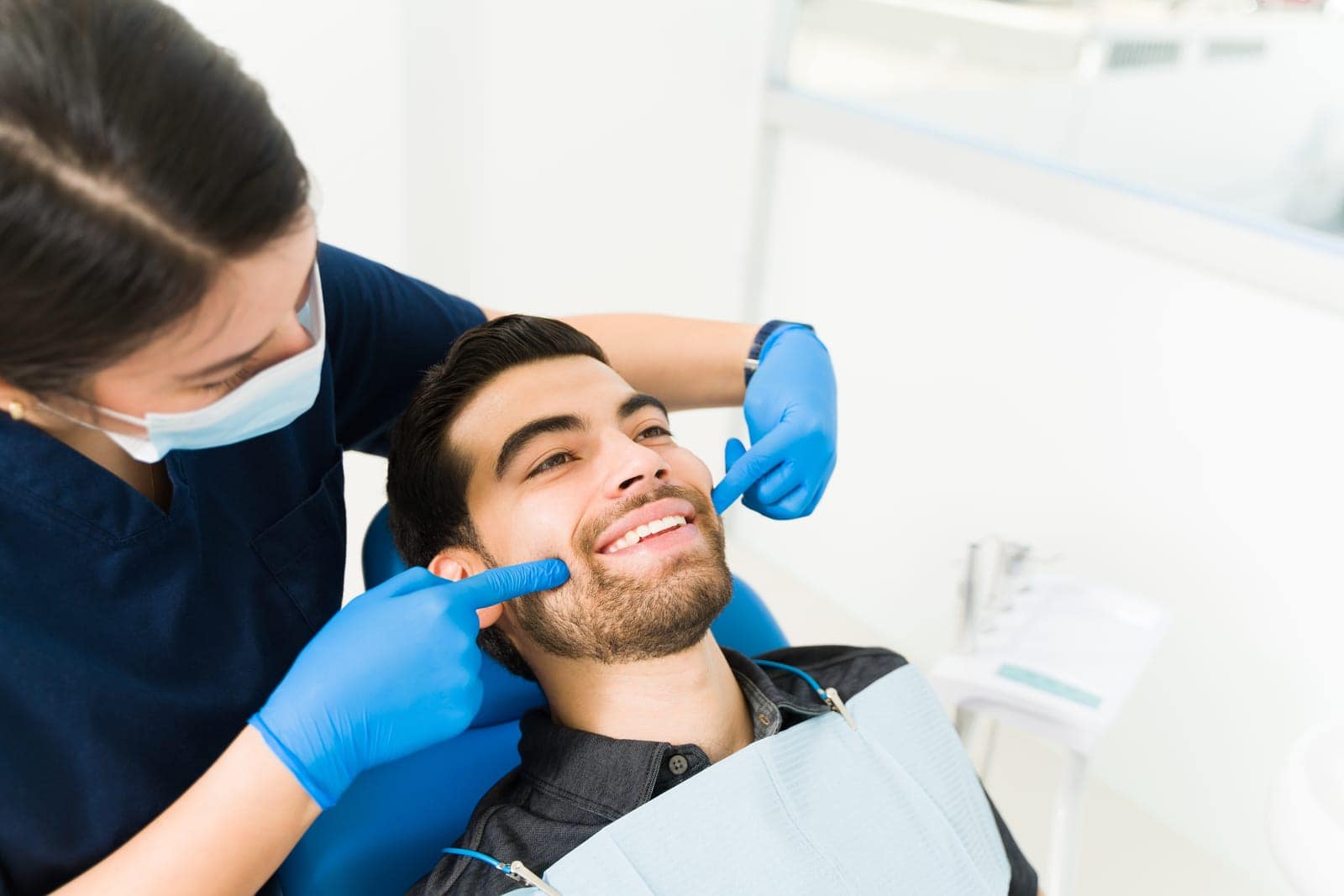
Most people feel much better within a week of having wisdom teeth removed. Swelling and soreness usually peak around the second or third day and then ease, soft foods give way to normal meals over the following week or two, and the sockets close over the next several weeks. This guide walks through what each stage usually feels like and how tooth extractions are handled at Marina Dentistry, including when we refer to an oral surgeon.
If you are deciding whether to have your wisdom teeth out, start at the top. If you had them out a few days ago, skip to the day that matches yours, and if anything worries you, call. We would rather hear from you than have you guess.
Before surgery: why wisdom teeth come out, and who removes them
Wisdom teeth are the third molars, the last to arrive, usually in the late teens or early twenties, and many jaws do not have room for them. A wisdom tooth may come in crooked, press on the molar in front, trap food under a flap of gum, or stay partly or fully buried in bone, which dentists call impacted. Not every wisdom tooth needs to come out; teeth that have erupted fully, bite normally and can be cleaned are often watched at checkups. Removal is recommended for pain, repeated gum infection, decay in the tooth or its neighbor, a cyst, or crowding.
There are two kinds of extraction. A simple extraction is for a tooth that has come through the gum and can be gripped and loosened with instruments, usually under local anesthetic. A surgical extraction is for a tooth that is partly or fully under the gum or bone; it involves a small incision, sometimes removal of a little bone, and often dividing the tooth into pieces.
Marina Dentistry performs simple extractions and many straightforward surgical extractions in the office. We refer complex cases to an oral surgeon: fully impacted teeth, teeth with roots close to the nerve in the lower jaw, teeth that reach into the sinus, and patients whose medical history calls for a surgical setting. Your dentist decides this from your exam and X-rays. A referral is not a sign something is wrong; it is the right person doing the right job.
Sedation options are available for extractions done here; which suits you depends on the complexity, your health history and how anxious you feel, so ask at your consultation. Anything beyond local anesthetic means you need a ride home.
Day of surgery
You leave the office numb, with gauze over the sockets.
Numbness. Local anesthetic can last several hours. Do not bite your lip, cheek or tongue while you cannot feel them, and skip hot drinks until feeling returns.
Bleeding. Some oozing is normal through the first day. Bite firmly on the gauze for the time your dentist tells you, then change it. If bleeding is steady rather than oozing, bite on a damp black tea bag; the tannins encourage clotting. Call if heavy bleeding continues despite pressure.
Rest. Keep your head elevated and take it easy. If you were sedated, you may feel groggy for the rest of the day; have someone stay with you, and do not drive, work or sign anything important.
Food. Once the numbness fades, eat cool, soft foods: yogurt, applesauce, smoothies eaten with a spoon, lukewarm soup, mashed potatoes, scrambled eggs. Avoid anything hot, crunchy, spicy or seedy. Drink plenty of water, from a cup.
Medication. Take pain medication as instructed before the anesthetic wears off fully, rather than waiting for pain to arrive. Your written instructions say which medicines to use; do not add anything else without asking.
Do not rinse, spit, use a straw or smoke on the first day. The blood clot forming in each socket is the start of healing, and all of those actions can pull it loose.
Days 1 to 3: peak swelling
If the day of surgery felt manageable, do not be alarmed when the next day feels worse. Swelling usually peaks around the second or third day, cheeks can look puffy, and bruising may drift toward the jawline or neck. Jaw stiffness is common, and opening wide may be hard for a few days.
Ice, then warmth. Cold packs on the face, on and off, limit swelling during the first day; after that, warm compresses help the swelling drain.
Rinsing. Starting the day after surgery, rinse gently with warm salt water after meals and before bed, letting the water fall out rather than spitting. Use any prescription mouthwash as directed.
Brushing. Brush your other teeth normally, keeping the brush away from the sockets and stitches.
Sleep. Sleep with your head propped on an extra pillow or two; lying flat increases throbbing and oozing. A small blood stain on the pillowcase is normal in the first night or two.
Activity. Skip the gym, running and anything that raises your heart rate, which can restart bleeding or increase swelling. Walking is fine.
Days 4 to 7: turning the corner
By the end of the first week, most people are clearly on the mend: swelling is going down, jaw opening is improving, and less medication is needed.
Stitches. Most extraction stitches dissolve and start to loosen or fall out around now, which feels odd but is expected. If non-dissolving stitches were used, your dentist will tell you when to return.
Food. Expand slowly: pasta, soft fish, well-cooked vegetables, oatmeal, soft bread, chewed away from the extraction sites. Keep avoiding chips, nuts, popcorn and seeds, which can lodge in a socket.
Back to work or school. Many people with simple extractions return in a day or two and most with surgical extractions within the week. Go by how you feel rather than a date.
Hygiene. Keep up the salt water rinses. If you were given a curved plastic syringe for flushing the lower sockets, your dentist will tell you when to start.
Week two and beyond
Soreness fades over the second week, and most people are eating normally by then. The sockets look like holes in the gum, which worries many patients, but the gum closes over them from the edges inward over several weeks. Trapped food is the most common complaint at this stage; gentle rinsing or the syringe clears it, and nothing else should go in the socket.
Under the gum, the bone takes longer to fill in, and small sharp fragments called bone spicules may work their way to the surface over the following weeks. They usually come out on their own; if one is sore, we can smooth or remove it in a quick visit. Tingling or altered sensation in the lip or chin after a lower extraction can happen when a tooth sat near the nerve; it usually improves over weeks to months, and persistent numbness is a reason to call.
Dry socket: what it is and how it feels
Dry socket, or alveolar osteitis, is the reason the no-straws rule exists. Normally a blood clot forms in the empty socket and protects the bone and nerve endings underneath while new tissue grows. In dry socket, the clot is lost or breaks down too early and the bone is exposed.
It usually shows up a few days after the extraction, right when you expected to be feeling better. The key sign is pain that gets worse instead of better after the second or third day: deep, throbbing, often radiating to the ear or temple on the same side, and no longer controlled by the medication that was working. Many patients notice a bad taste or smell, and sometimes whitish bone is visible in the socket instead of a dark clot.
It is more common after lower wisdom teeth, in smokers and in patients taking oral contraceptives. It is not an infection and does not mean something was done wrong.
Treatment is simple and relief comes quickly: your dentist rinses the socket, places a medicated dressing that soothes the exposed bone, and changes it every day or two until the pain settles. If you think you have dry socket, call rather than waiting it out.
How to prevent it: the short list
- No straws for at least the first several days. The suction pulls on the clot.
- No smoking or vaping. Heat and suction both do harm, and nicotine slows healing; if you cannot stop completely, the first few days matter most.
- No forceful spitting or vigorous rinsing. Let liquids fall out of your mouth.
- Brush gently and keep the brush off the sockets.
- Soft foods, chewed away from the sites.
- Take any prescribed medication as written and finish any antibiotic course.
Call the office if
Most recoveries are uneventful. Call us, or the oral surgeon who treated you, if you notice:
- Pain that gets worse after the third day, or pain that spreads to the ear
- Bleeding that stays heavy despite firm pressure on gauze
- Swelling that keeps increasing after the third day
- Fever, pus, or a foul taste that does not clear with rinsing
- Numbness in the lip, chin or tongue that persists once the anesthetic should have worn off
- A reaction to medication such as a rash, hives or stomach upset
Swelling that affects your breathing or swallowing is an emergency room visit, not a phone call. Our emergency dentist page explains how we handle urgent problems during office hours.
How extractions are scheduled at Marina Dentistry
Many of our patients book extractions for a Friday or Saturday so the hardest days fall on a weekend. We are open Saturday from 8 AM to 4 PM, which suits students home for the summer in Venice, Mar Vista and Westchester and adults who cannot spare a weekday. We schedule a consultation first, so you are not deciding on surgery the day you learn you need it.
If you are weighing an extraction against saving a tooth, our post on how dentists decide between a root canal and an extraction walks through that choice. We give a written estimate before anything is scheduled, and our financing and insurance page covers PPO coverage and payment plans.
A wisdom teeth consultation at Marina Dentistry starts with an exam and the X-rays needed to see the roots and the nerve, then a plain explanation of whether each tooth needs to come out, whether we do it here or refer you, and what sedation makes sense. You leave with a written plan and pricing, a copy of the aftercare instructions to read before the day, and a date that gives you time to recover. We are at 4292 Lincoln Blvd in Marina del Rey, open six days a week including Saturdays. Book online or read our new patient page to see what to bring.
This article is general information from Marina Dentistry and not a diagnosis. Only an exam can tell you what is right for your mouth. Request an appointment or call (310) 578-5000.