
Severe tooth pain: when to see an emergency dentist and what it costs
Tooth pain with swelling, fever, pain on biting or sensitivity that lingers usually needs a dentist the same day. How to read the pain, what the visit involves and what it typically costs in West LA.
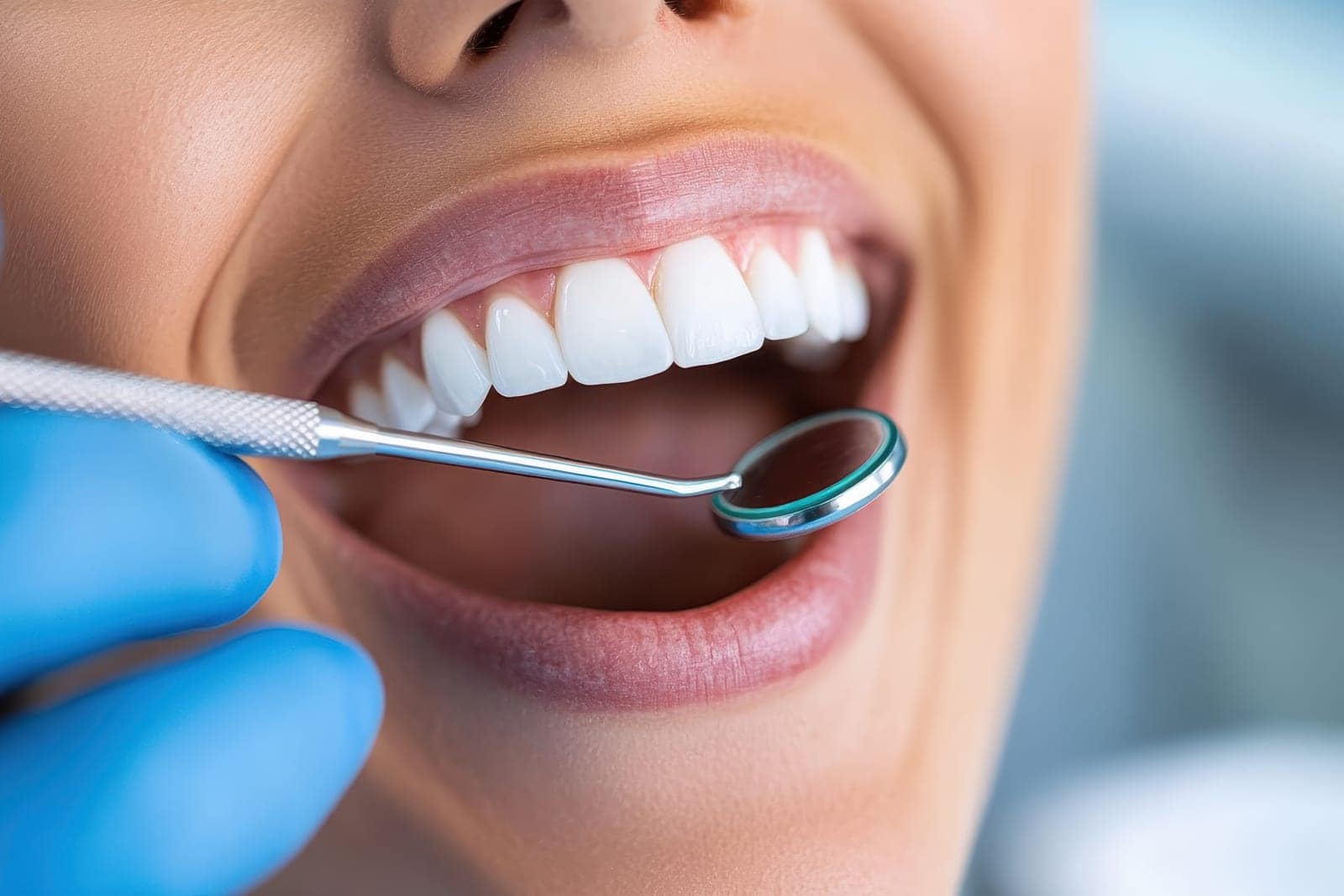
Severe tooth pain that keeps you awake, comes with swelling or a fever, or hurts sharply when you bite usually needs a dentist the same day, not next week. Pain that fades within a few seconds of something cold is a different matter and can often wait for a regular visit. This guide explains how to read the pain, what to do in the first hour, when the emergency room comes first, what an urgent visit at a general dental practice involves, and what that visit typically costs in Marina del Rey and the rest of West LA.
How to read the pain
Different kinds of pain point to different problems. None of these is a diagnosis, but they help you decide how fast to call.
Throbbing pain that comes in waves, worse at night. A steady throb that builds when you lie down often means the nerve inside the tooth is inflamed or dying, usually from deep decay or a crack. This kind of pain rarely settles on its own. Call the same day or first thing the next morning.
Swelling in the gum, cheek or jaw. A tender bump on the gum near the sore tooth, a puffy cheek or a jaw that feels tight suggests infection has spread beyond the root. An abscess can grow quickly. Swelling is a same-day problem, and if it spreads toward your eye or down your neck it becomes an emergency room problem.
Fever, a bad taste or a bad smell. These usually mean an infection is building pressure or has started to drain. A bad taste that comes and goes, with a pimple-like spot on the gum, is a classic sign of an abscess that has found a way out. The pain may ease when it drains, but the infection is still there.
Sharp pain when you bite or let go. Pain on chewing, especially a jolt when you release the bite, often points to a cracked tooth or a broken filling. Cracks tend to lengthen with every chew, so this is worth seeing within a day or two.
Sensitivity that lingers. Cold that stings and fades within a few seconds is usually mild irritation or gum recession. Cold or heat that keeps hurting for 30 seconds or more after the trigger is gone suggests the nerve is involved, and that often leads to a root canal if the tooth is to be kept.
What to do in the first hour
While you arrange a visit, a few things help and a few make it worse.
- Rinse with warm salt water. Half a teaspoon of salt in a cup of warm water, swished gently, cleans the area and soothes sore gums.
- Floss gently around the tooth. A seed or piece of food wedged below the gum can cause real pain, and removing it sometimes ends the problem.
- Take over-the-counter pain relief as the label directs, and skip anything your doctor has told you to avoid. Never hold an aspirin against the gum; it burns the tissue.
- Use a cold compress on the outside of the cheek if there is swelling, 15 minutes on and 15 off. Do not put heat on the face; it can draw an infection outward.
- Avoid chewing on that side, and avoid very hot, very cold and sweet foods.
- Keep any pieces. If part of a tooth or a crown has come off, bring it with you.
If the problem is an injury rather than pain alone, our post on what to do in the first hour after a knocked-out or broken tooth covers those steps, including the time limit for saving a knocked-out adult tooth.
When the emergency room comes first
A dentist can treat the tooth. An emergency room cannot do a root canal or an extraction, and most ER visits for toothache end with pain medicine, an antibiotic and advice to see a dentist. For pain alone, a dentist is the faster and more useful call. Some situations are medical emergencies first, though, and you should go to the nearest emergency room, or call 911, before calling any dentist:
- Swelling that makes it hard to breathe or swallow, or that is spreading toward the eye or down the neck
- Facial swelling together with a high fever and feeling very unwell
- A suspected broken jaw, or a jaw you cannot open or close
- Bleeding that does not stop after 15 minutes of firm pressure
- A head injury along with the dental injury, or any loss of consciousness
What an urgent visit at a general practice involves
An emergency visit at a general dental office like Marina Dentistry has two goals: find the cause, and get you out of pain today. The lasting fix is sometimes done in the same visit and sometimes planned for a second one.
The exam and X-ray
Your dentist asks about the pain, when it started and what sets it off, then examines the tooth, the gum around it and your bite. A small X-ray of the area shows decay, a crack line, an abscess at the root tip or bone loss that cannot be seen from the surface. Cold and bite tests confirm which tooth is responsible, because tooth pain refers along the nerves and the tooth that hurts is not always the one that is sick.
The three outcomes
Almost every urgent toothache ends in one of three places.
- Temporary relief and a plan. If the tooth can be kept but there is not time to finish the treatment, your dentist may numb the area, remove decay, place a soothing temporary filling, drain an abscess or prescribe an antibiotic when infection is spreading, with the lasting fix scheduled for a later visit. Antibiotics alone never fix a tooth; they buy time.
- A root canal. When the nerve is inflamed or infected but the tooth is sound enough to keep, a root canal removes the nerve tissue, cleans the canals and seals them. The pain usually eases quickly once the pressure is relieved. A back tooth almost always needs a dental crown afterward, because a tooth without its nerve becomes more brittle.
- An extraction. When a tooth is cracked below the gum line, has lost too much structure to rebuild, or is loose from bone loss, a tooth extraction is the honest recommendation. Your dentist talks through how the space could be filled later, often with a dental implant or a bridge, but that decision can wait.
Your dentist explains which of the three fits your tooth, and why, before anything is done. Our emergency dentist page lists the problems the office sees the same day.
Office hours, honestly
Marina Dentistry is open Monday, Wednesday and Friday from 8 AM to 5 PM, Tuesday and Thursday from 9 AM to 6 PM, and Saturday from 8 AM to 4 PM. Urgent cases are fitted in during those hours for new and existing patients. The office is closed on Sundays and overnight, and it does not offer after-hours care.
If pain starts on a Saturday evening or a Sunday, use the first-hour steps above, go to the emergency room for any of the warning signs listed earlier, and call (310) 578-5000 when the office opens. The earlier in the day you call, the more room the team has to fit you in.
What an emergency visit typically costs
Prices in this guide are regional estimates for context, not quotes from Marina Dentistry. Your written plan from the office is the only price that applies to you.
Emergency dental fees have two parts: the visit itself, and whatever treatment the tooth turns out to need. In Marina del Rey and the rest of West LA:
- An emergency exam with an X-ray typically runs $100 to $250.
- A root canal on a molar typically runs $1,200 to $2,000, and the crown that follows typically runs $1,200 to $2,500. Front teeth cost less to treat because they have fewer canals.
- A simple extraction typically runs $200 to $500. A surgical extraction, where the tooth is sectioned or bone is removed to free it, costs more.
The spread is wide because the tooth decides the treatment, and the exam is what tells you which end of it you are at. That is one reason not to put it off.
Insurance and payment
Most PPO dental plans cover emergency exams and X-rays. Extractions are often covered at the basic level, and root canals and crowns are usually covered at the major level after a deductible, with a share left to you. Marina Dentistry accepts all PPO plans and several HMO plans, including Delta Dental and Anthem; confirm your plan with the office. For the part a plan does not cover, the office works with Cherry, CareCredit and Sunbit, which offer payment plans to approved patients. Patients without insurance can ask about the membership plan, published at $199, $299 or $399 per year; it is not dental insurance. Details are on our financing and insurance page.
What an urgent visit at Marina Dentistry involves
When you call (310) 578-5000, the team asks a few questions about the pain, tells you what to do until you arrive and finds the earliest opening. At the office, your dentist examines the tooth, takes the X-ray the case needs and explains which of the three outcomes fits, with the fee for each step written down before you decide. The first priority is comfort; the lasting fix is planned once you are out of pain. The team led by Dr. Sameer Aljanedi, DDS, treats urgent cases at 4292 Lincoln Blvd in Marina del Rey six days a week, including Saturday, and new patients are welcome for emergencies. You can book online for problems that can wait, or read what to expect as a new patient.
This article is general information from Marina Dentistry and not a diagnosis. Only an exam can tell you what is right for your mouth. Request an appointment or call (310) 578-5000.