
A cracked tooth doesn’t always hurt right away — and that’s exactly why so many adults ignore it. A small crack might feel harmless at first, especially if the pain comes and goes or only shows up when biting.
But an untreated cracked tooth rarely stays the same.
Understanding what happens when a cracked tooth is left untreated can help you avoid infection, tooth loss, and more extensive dental work down the road.
How Teeth Crack in the First Place
Cracked teeth are far more common than people realize, especially in adults.
Common causes include:
- Biting down on hard foods (ice, nuts, hard candy)
- Teeth grinding or clenching
- Large or old fillings weakening the tooth
- Trauma or accidents
- Age-related wear
Cracks can range from tiny surface fractures to deep structural splits — and the severity isn’t always obvious without an exam.
Why Small Cracks Are Often Ignored
Many adults delay treatment because:
- Pain is mild or inconsistent
- Sensitivity disappears quickly
- The tooth looks intact
- Life gets busy
Unfortunately, cracks don’t heal on their own. Over time, chewing pressure causes them to spread.
What Happens If a Cracked Tooth Goes Untreated?
1. The Crack Worsens
Every time you bite down, force travels through the crack.
What starts as a hairline fracture can grow deeper, eventually reaching:
- The dentin
- The pulp (nerve)
- The root structure
The deeper the crack goes, the fewer treatment options remain.
2. Sensitivity Turns Into Pain
Early signs may include:
- Sharp pain when biting
- Sensitivity to cold or heat
As the crack progresses, pain may:
- Become more frequent
- Linger after chewing
- Appear spontaneously
This usually indicates the nerve is becoming involved.
3. Bacteria Enter the Tooth
Cracks act like open doors for bacteria.
Once bacteria reach the inner layers of the tooth, infection can develop — even if there’s no visible cavity. At this stage, treatment often escalates.
In many cases, a Root Canal becomes necessary to remove infected tissue and relieve pain.
4. Infection Can Spread
If infection isn’t treated, it can extend:
- Beyond the tooth
- Into surrounding bone
- Into the gums
- Into the bloodstream in severe cases
Dental infections don’t stay localized forever — which is why cracked teeth should never be ignored.
5. The Tooth May Become Unsavable
When a crack reaches below the gumline or splits the tooth vertically, saving it may no longer be possible.
At that point:
- Extraction may be required
- Tooth replacement becomes necessary
- Treatment becomes more complex and costly
Early intervention often prevents this outcome entirely.
How Cracked Teeth Are Treated Early
When a cracked tooth is addressed early, treatment is usually straightforward.
Common Early Treatments Include:
- Bite adjustments
- Protective restorations
- Tooth reinforcement
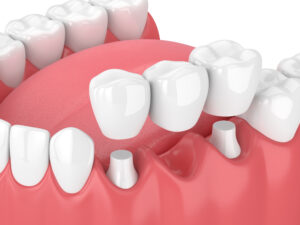
In many cases, a Crown is recommended to hold the tooth together and prevent the crack from spreading further.
Crowns protect the remaining structure and allow the tooth to function normally.
When a Root Canal Is Necessary
If the crack reaches the nerve:
- Infection develops
- Pain becomes persistent
- Sensitivity worsens
At this stage, a root canal combined with a crown is often the best way to:
- Remove infection
- Preserve the tooth
- Prevent extraction
Treating the crack early often avoids nerve involvement altogether.
Can a Cracked Tooth Be Prevented?
Not all cracks are preventable — but risk can be reduced.
Preventive steps include:
- Wearing a night guard if you grind or clench
- Avoiding chewing ice or hard objects
- Replacing large, worn fillings
- Addressing bite issues early
- Attending regular dental exams
Dentists often identify cracks before symptoms appear during routine checkups.
Why Waiting Usually Makes Treatment More Expensive
Patients often delay treatment hoping pain stays manageable — but this usually increases total cost.
Compare:
- Early crown vs. root canal + crown
- Restoration vs. extraction + replacement
- Conservative care vs. complex procedures
Timely treatment is almost always less invasive, less expensive, and more predictable.
Frequently Asked Questions About Untreated Cracked Teeth
Can a cracked tooth heal on its own?
No. Teeth cannot repair cracks once they form.
Is it okay if the crack doesn’t hurt?
No. Many cracked teeth are painless until damage becomes serious.
Will a crown stop a crack from spreading?
Yes. Crowns often prevent further fracture when placed early.
Does every cracked tooth need a root canal?
No — only if the nerve becomes affected.
How quickly should a cracked tooth be checked?
As soon as possible, even if symptoms are mild.
Don’t Wait for a Cracked Tooth to Get Worse
Cracked teeth are one of the most time-sensitive dental problems — not because they cause immediate pain, but because delay quietly limits your options.
If you suspect a crack, experience sharp pain when biting, or notice new sensitivity, early evaluation can mean the difference between saving the tooth and losing it.
At Marina Dentistry, restorative care focuses on early detection, conservative treatment, and protecting long-term tooth health.
👉 Schedule an evaluation today:
Contact Marina Dentistry