All-on-X dental implants are one of the most advanced and life-changing solutions in modern dentistry. They restore function, confidence, and the ability to eat and smile comfortably — often in ways traditional dentures never could.
But while All-on-X implants are designed to be long-lasting and durable, their success doesn’t stop at surgery.
Just like natural teeth, long-term health depends on proper maintenance.
This guide explains how to care for your All-on-X smile properly, what habits protect your investment, and how Marina del Rey patients can keep their All-on-X results healthy for decades.
Why All-on-X Maintenance Matters
All-on-X implants are permanent — but they’re not maintenance-free.
While the implants themselves cannot decay, the surrounding:
- Gums
- Bone
- Soft tissue
- Prosthetic components
Still require consistent care.
Neglecting maintenance can lead to:
- Inflammation around implants (peri-implantitis)
- Gum infection
- Bone loss
- Prosthetic wear or failure
- Shortened implant lifespan
Proper care protects both your health and your investment.
Understanding Your All-on-X Smile
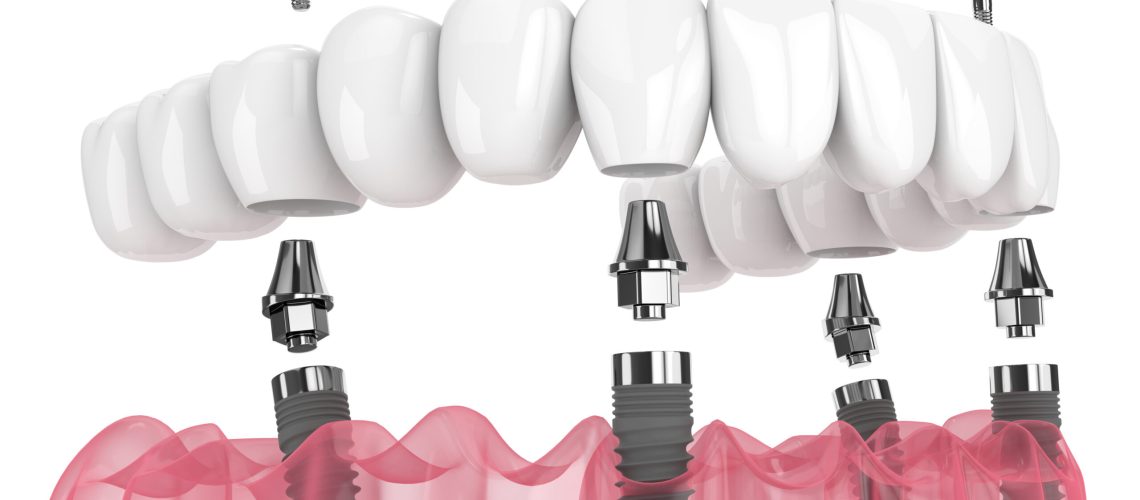
An All-on-X restoration typically includes:
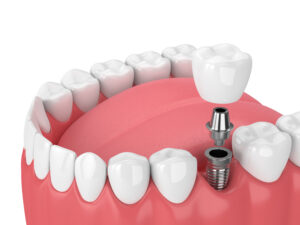
- Titanium implants anchored in the jawbone
- A fixed full-arch prosthetic
- Natural-looking replacement teeth
- Customized bite alignment
You can learn more about the procedure itself through
All-On-X Full Mouth Dental Implants.
Because All-on-X is fixed — not removable — it requires a different maintenance approach than dentures.
Daily Home Care: Your Foundation for Long-Term Success
1. Brush Twice Daily (Yes — Still Essential)
Even though All-on-X teeth aren’t natural, plaque still forms around the gums.
Use:
- A soft-bristled toothbrush
- Non-abrasive toothpaste
- Gentle circular motions along the gumline
Avoid aggressive scrubbing, which can irritate tissue.
2. Clean Under the Prosthesis Daily
The most critical area for All-on-X care is where the prosthetic meets the gums.
Recommended tools include:
- Water flossers
- Specialized implant floss
- Interdental brushes (as recommended)
This prevents bacteria from collecting underneath the bridge — one of the most common causes of implant complications.
3. Use a Water Flosser (Strongly Recommended)
Water flossers are one of the best tools for All-on-X maintenance.
They help:
- Flush bacteria beneath the prosthesis
- Clean hard-to-reach areas
- Reduce inflammation
- Improve gum health
Many implant patients find water flossers easier and more effective than traditional floss.
Professional Cleanings: Non-Negotiable for All-on-X
Even with excellent home care, professional maintenance is essential.
All-on-X patients typically need:
- More frequent cleanings than natural-tooth patients
- Specialized implant-safe instruments
- Periodic evaluation of implant stability and bite
These visits help prevent peri-implant disease — a leading cause of implant failure worldwide.
Why Regular Dental Visits Matter More With Implants
Routine exams allow your dentist to:
- Monitor bone levels around implants
- Check gum health
- Evaluate prosthetic wear
- Detect issues early — before symptoms appear
- Make bite adjustments if needed
Most serious implant problems start silently.
Regular monitoring keeps small issues from becoming major ones.
Bite Protection: Guarding Your All-on-X Investment
Clenching and grinding (bruxism) place tremendous force on implants.
Even strong implant restorations can be affected over time.
If you grind or clench:
- A night guard may be recommended
- Bite adjustments may be needed
- Early intervention prevents stress fractures
Protecting your bite protects your implants.
Diet Considerations for Long-Term Implant Health
All-on-X restores chewing ability — but smart habits matter.
Best Practices:
- Avoid chewing ice
- Limit very hard foods
- Be cautious with sticky candies
- Don’t use teeth as tools
While All-on-X is durable, excessive force increases wear.
Smoking and All-on-X Longevity
Smoking is one of the biggest risk factors for implant complications.
It:
- Reduces blood flow
- Impairs healing
- Increases infection risk
- Accelerates bone loss
Patients who quit or reduce smoking significantly improve implant success rates.
Signs You Should Never Ignore
Contact your dentist if you notice:
- Bleeding or swelling around implants
- Persistent bad breath
- Looseness or movement
- Pain or pressure
- Changes in bite or speech
Early treatment almost always leads to better outcomes.
Long-Term Prosthetic Maintenance
The implants themselves can last decades — but the prosthetic may eventually require:
- Professional polishing
- Minor repairs
- Replacement after long-term wear
This is normal and expected over time.
Regular maintenance extends prosthetic lifespan and keeps your smile looking natural.
How Often Should All-on-X Patients Be Seen?
While schedules vary, many All-on-X patients benefit from:
- Cleanings every 3–4 months
- Annual imaging
- Periodic prosthetic evaluations
Your dentist will customize care based on:
- Gum health
- Bone levels
- Bite forces
- Lifestyle factors
The Role of Bone Health in Long-Term Success
Healthy bone is critical for implant stability.
Professional monitoring ensures:
- Bone levels remain stable
- Early bone loss is detected
- Intervention happens before problems escalate
This is one reason implant patients should never skip follow-ups.
Travel, Busy Schedules, and Maintenance
One of the biggest risks to implant longevity is inconsistency.
Even with travel or busy schedules:
- Maintenance visits should stay a priority
- Delaying care increases long-term risk
Preventive maintenance is far easier than corrective treatment.
Frequently Asked Questions About All-on-X Maintenance
Do All-on-X implants last forever?
Implants can last decades with proper care, but maintenance is essential.
Can All-on-X get infected?
Yes — surrounding gums can become infected if plaque is not controlled.
Is cleaning difficult?
With proper tools and instruction, most patients find it manageable.
Do I still need a dentist after All-on-X?
Absolutely. Ongoing care is critical for long-term success.
Will I need to replace the teeth?
Prosthetics may eventually need replacement due to wear — this is normal.
All-on-X Is a Long-Term Partnership
All-on-X isn’t a “one-and-done” procedure — it’s a long-term investment in your health, comfort, and confidence.
The good news?
With proper maintenance, most patients enjoy their All-on-X smile for decades.
At Marina Dentistry, All-on-X care doesn’t end after surgery. The focus is on:
- Long-term monitoring
- Preventive maintenance
- Clear communication
- Protecting your results for life
👉 Schedule your All-on-X maintenance visit:
https://www.marinadentistry.com/contact-us/