As we get older, health priorities shift. People become more focused on prevention, quality of life, and staying active for as long as possible.
What many adults don’t realize is that dental health plays a significant role in overall wellness as we age — far beyond cavities or appearance.
Your mouth is not separate from your body. Oral health affects nutrition, inflammation, chronic disease management, confidence, and even independence later in life.
This guide explains how dental health impacts overall wellness as you age, why preventive care becomes more important over time, and what adults and caregivers should know to protect long-term health.
Why Oral Health Becomes More Important With Age
Aging doesn’t automatically cause dental problems — but it does introduce changes that make prevention more critical.
As we age:
- Gums become more vulnerable to inflammation
- Bone density can decrease
- Dry mouth becomes more common
- Chronic conditions increase
- Medications affect oral health
- Healing may slow
These factors make routine dental care a cornerstone of healthy aging.
The Mouth–Body Connection: A Quick Overview
Research increasingly shows that oral health is linked to systemic health, particularly through inflammation.
Poor oral health has been associated with:
- Cardiovascular disease
- Diabetes complications
- Respiratory infections
- Cognitive decline
- Poor nutrition
- Reduced quality of life
This doesn’t mean dental problems cause medical conditions — but they can contribute to overall inflammatory burden and health challenges.
Gum Health and Systemic Inflammation
One of the strongest links between oral and overall health involves gum disease.
Gum disease (periodontal disease) is a chronic inflammatory condition that:
- Often progresses silently
- Becomes more common with age
- Can persist for years without symptoms
Chronic inflammation doesn’t stay isolated to the mouth. That’s why periodontal care plays a key role in preventive wellness.
You can learn more about diagnosis and management through Periodontics at Marina Dentistry.
Dental Health and Heart Health
As adults age, heart health becomes a major concern.
Research shows:
- People with advanced gum disease often have higher inflammatory markers
- Oral bacteria have been found in arterial plaque
- Inflammation is a shared risk factor
Maintaining healthy gums helps reduce one preventable source of chronic inflammation — an important part of heart-healthy living.
Diabetes and Oral Health: A Two-Way Relationship
Diabetes and oral health influence each other.
- Diabetes increases risk for gum disease
- Gum disease makes blood sugar harder to control
- Infections can raise glucose levels
For adults managing diabetes, regular dental care supports overall disease control and reduces complications.
Dental Health and Nutrition as You Age
Healthy teeth and gums directly affect nutrition.
Dental issues can limit:
- Ability to chew properly
- Food choices
- Protein intake
- Enjoyment of meals
When chewing becomes difficult, many adults shift toward softer, more processed foods — which can negatively affect overall health.
Maintaining oral function helps support:
- Balanced nutrition
- Digestive health
- Energy levels
- Muscle maintenance
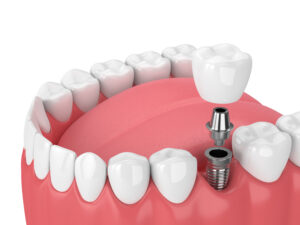
Tooth Loss and Its Impact on Quality of Life
Tooth loss becomes more common with age — but it’s not inevitable.
Missing teeth can affect:
- Speech
- Self-confidence
- Social interaction
- Dietary choices
- Facial structure
Preventive care and early treatment help preserve natural teeth and maintain independence.
Bone Health and Oral Health Are Connected
Jawbone health is influenced by:
- Tooth presence
- Gum health
- Chewing forces
- Inflammation
When teeth are lost or gum disease progresses:
- Jawbone can shrink
- Facial support may change
- Oral function declines
Preserving oral structures supports long-term comfort and appearance.
Dry Mouth: A Common Age-Related Issue
Dry mouth becomes more common with age, often due to medications.
Reduced saliva can:
- Increase cavity risk
- Promote gum disease
- Cause discomfort
- Affect speech and swallowing
Dentists help manage dry mouth through:
- Preventive strategies
- Product recommendations
- Monitoring for decay
Addressing dry mouth early prevents larger problems later.
Dental Health and Cognitive Wellness
While research is ongoing, studies suggest:
- Poor oral health may be associated with cognitive decline
- Tooth loss can impact brain stimulation
- Inflammation may play a role in neurological health
Maintaining oral health supports overall brain wellness — especially important for aging adults.
Why Preventive Dentistry Matters More After 40
As adults age, dental issues become:
- More complex
- More expensive
- Harder to treat once advanced
Preventive care helps:
- Detect problems early
- Avoid emergency treatment
- Reduce invasive procedures
- Maintain stability over time
Routine visits through General Dentistry form the foundation of preventive care.
The Role of Regular Dental Visits in Healthy Aging
Routine dental visits allow dentists to:
- Monitor gum health
- Track bone levels
- Detect early decay
- Identify bite changes
- Adjust care plans as health changes
Preventive dentistry is proactive — not reactive.
Oral Health and Medications
Many common medications affect oral health, including those for:
- Blood pressure
- Depression
- Allergies
- Pain management
- Sleep disorders
Dentists factor medications into treatment planning and prevention strategies.
Caregivers: Why Oral Health Monitoring Matters
For caregivers of aging adults:
- Oral health issues may go unnoticed
- Pain may be underreported
- Hygiene routines may decline
Supporting dental care helps maintain:
- Comfort
- Nutrition
- Dignity
- Overall health
Dentists often work collaboratively with families to support aging patients.
Common Oral Health Changes With Aging
Normal changes may include:
- Mild enamel wear
- Increased staining
- Slight gum recession
Abnormal changes include:
- Bleeding gums
- Persistent bad breath
- Loose teeth
- Mouth sores that don’t heal
- Difficulty chewing
Recognizing the difference matters.
How Lifestyle Choices Affect Dental Health Over Time
Long-term habits influence oral wellness:
- Smoking increases gum disease risk
- Alcohol affects dry mouth
- Stress contributes to grinding
- Diet impacts decay risk
Small habit changes can have long-term benefits.
Frequently Asked Questions About Dental Health and Aging
Is tooth loss inevitable with age?
No. With proper care, many adults keep their natural teeth for life.
How often should older adults see the dentist?
Most benefit from visits every six months, sometimes more frequently.
Can gum disease be reversed in older adults?
Early stages can be reversed; advanced disease can be managed.
Do dentures solve oral health problems?
They replace teeth but don’t address gum or bone health.
Is dental care still important if teeth are missing?
Yes. Gum and bone health still require monitoring.
The Big Picture: Oral Health Supports Whole-Body Health
Healthy aging isn’t about reacting to problems — it’s about preventing them.
Dental health supports:
- Nutrition
- Inflammation control
- Comfort
- Confidence
- Independence
- Quality of life
At Marina Dentistry, preventive care focuses on:
- Early detection
- Personalized treatment
- Conservative planning
- Long-term wellness
Oral health is not optional as we age — it’s foundational.
👉 Schedule a preventive dental visit today:
https://www.marinadentistry.com/contact-us/