If you’re missing most or all of your teeth, choosing the right replacement isn’t just about appearance — it’s about how you’ll live with your smile every day.
Two of the most common full-arch tooth replacement options are traditional dentures and full-mouth dental implants, often referred to as All-on-X.
Patients frequently ask:
“Which option is more comfortable long-term?”
“Which one is easier to maintain?”
“What will my life actually be like five or ten years from now?”
This guide breaks down full-mouth dental implants vs dentures with a focus on long-term comfort, daily function, and maintenance, so you can make a decision that fits your lifestyle — not just the short term.
Understanding the Two Options
Before comparing comfort and maintenance, it helps to understand how each option works.
What Are Traditional Dentures?
Dentures are removable prosthetic teeth designed to sit on top of the gums.
They rely on:
- Gum tissue
- Jawbone shape
- Adhesives (often)
- Muscle control
Dentures can replace:
- Upper teeth
- Lower teeth
- Both arches
They do not anchor into the jawbone.
What Are Full-Mouth Dental Implants (All-on-X)?
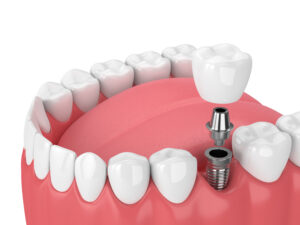
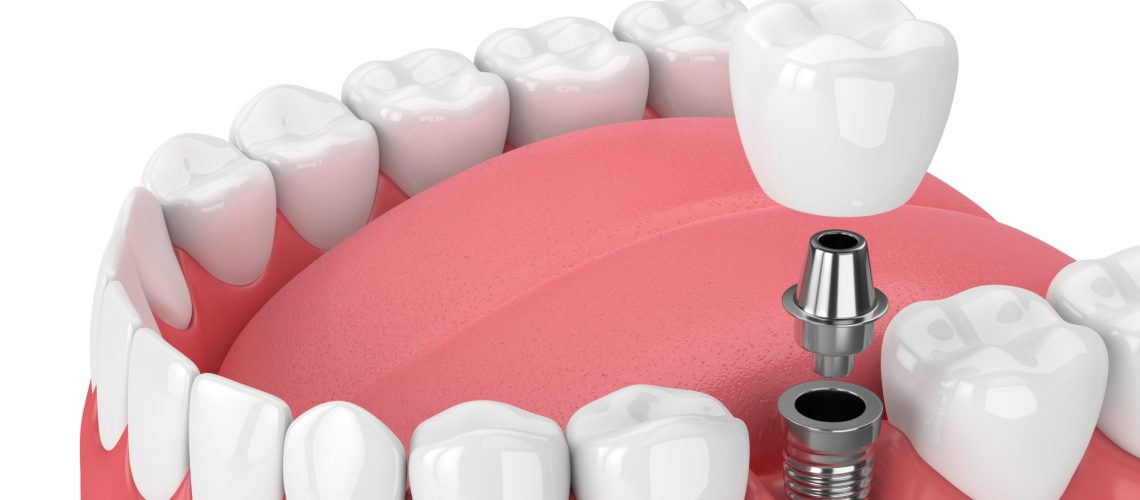
Full-mouth dental implants use a small number of strategically placed implants to support an entire arch of fixed teeth.
Often called All-on-X, this approach:
- Anchors teeth directly to the jawbone
- Creates a fixed (non-removable) smile
- Restores bite strength and stability
You can learn more about this option through All-On-X Full Mouth Dental Implants.
Full-mouth implant cases are typically planned and restored as part of Prosthodontics — the specialty focused on complex tooth replacement.
Long-Term Comfort: The Biggest Difference
Dentures: Comfort Changes Over Time
Dentures may feel acceptable initially, but long-term comfort often changes due to ongoing bone loss.
Common denture comfort issues include:
- Soreness or irritation
- Pressure points
- Slipping or movement
- Difficulty chewing
- Gum inflammation
- Reduced bite strength
Because dentures rest on soft tissue, pressure is uneven and comfort depends heavily on fit.
Full-Mouth Implants: Stability Creates Comfort
Full-mouth dental implants are anchored into bone, which changes everything.
Long-term comfort benefits include:
- No movement while speaking or eating
- Even bite pressure distribution
- No gum-borne pressure
- No need for adhesives
- A stable, secure feel
Many patients report they “forget” they have implants because they feel so natural.
Chewing Ability: How Each Option Performs
Dentures and Chewing
Dentures typically restore 20–30% of natural bite strength.
This can limit:
- Chewing tougher foods
- Enjoyment of meals
- Nutritional choices
Patients often adapt their diet over time — not by preference, but by necessity.
Full-Mouth Implants and Chewing
Implant-supported teeth restore up to 90% of natural bite strength.
This allows patients to:
- Eat a wide variety of foods
- Chew confidently
- Enjoy meals without worry
- Maintain better nutrition
For many patients, this is one of the most life-changing differences.
Speaking & Confidence in Social Settings
Dentures
Dentures can affect speech, especially early on.
Common concerns include:
- Clicking sounds
- Movement while talking
- Fear of slipping
- Consciousness about appearance
Even well-fitting dentures can require ongoing adaptation.
Full-Mouth Implants
Implants are fixed and stable.
This provides:
- Natural speech patterns
- Confidence in social situations
- No fear of movement
- Greater ease in public settings
This stability often translates directly into confidence.
Maintenance: Day-to-Day Reality
Denture Maintenance
Dentures require daily removal and cleaning.
Typical maintenance includes:
- Removing dentures at night
- Brushing dentures separately
- Soaking in cleaning solutions
- Cleaning gums daily
- Managing adhesives
- Periodic relines or replacements
Over time, adjustments become routine — but they remain part of daily life.
Full-Mouth Implant Maintenance
Implants are maintained similarly to natural teeth.
Daily care includes:
- Brushing twice daily
- Flossing or using water flossers
- Regular professional cleanings
- Periodic exams
There’s no removal, soaking, or adhesives.
Bone Health: A Long-Term Consideration
Dentures and Bone Loss
When teeth are missing, the jawbone begins to shrink.
Dentures:
- Do not stimulate bone
- Allow ongoing bone loss
- May loosen as bone changes
- Often require relines or replacement
Bone loss can also affect facial structure over time.
Implants Preserve Bone
Dental implants:
- Stimulate the jawbone
- Help maintain bone volume
- Preserve facial support
- Improve long-term stability
This preservation plays a major role in long-term comfort and appearance.
Long-Term Maintenance Costs
Dentures
Lower initial cost — but long-term expenses often include:
- Relines
- Repairs
- Replacements every 5–10 years
- Adhesives and cleaners
- Treatment related to sore spots or infections
Full-Mouth Implants
Higher initial investment — but:
- Minimal replacement
- Fewer adjustments
- Less long-term maintenance
- Greater durability
Over time, implants often prove more cost-effective for many patients.
Lifestyle Considerations: Which Fits Better?
Dentures May Be Right If:
- You want a removable option
- Surgery is not recommended
- Budget constraints are significant
- You’re comfortable with maintenance routines
Full-Mouth Implants May Be Ideal If:
- You want a fixed, stable solution
- Comfort is a priority
- You value long-term function
- You want to eat without restrictions
- You prefer minimal daily maintenance
Lifestyle often becomes the deciding factor.
What About Appearance?
Both dentures and implants can look excellent — but they age differently.
Dentures:
- May change as bone resorbs
- Can lose support over time
Implants:
- Maintain gum contours better
- Preserve facial structure
- Offer more consistent aesthetics long-term
The Role of Prosthodontics in Full-Arch Care
Full-mouth tooth replacement requires precise planning.
Prosthodontic care ensures:
- Proper bite alignment
- Natural tooth positioning
- Long-term durability
- Balanced aesthetics and function
This planning is essential for both dentures and implant restorations — especially for complex cases.
Frequently Asked Questions
Are full-mouth implants removable?
No — they are fixed in place.
Do dentures always loosen?
Over time, most dentures require adjustment due to bone changes.
Is All-on-X the same as dentures?
No — All-on-X is implant-supported and fixed.
Are implants harder to clean?
No — daily care is simpler than dentures for many patients.
Is surgery required for implants?
Yes — but treatment is carefully planned and predictable.
The Big Picture: Comfort Over Time Matters
The biggest difference between full-mouth dental implants vs dentures isn’t the first year — it’s what life looks like years later.
Dentures can work — but they require adaptation.
Full-mouth implants are designed to restore stability, comfort, and confidence long-term.
At Marina Dentistry, full-arch treatment planning focuses on:
- Lifestyle goals
- Long-term comfort
- Bone preservation
- Conservative, evidence-based care
- Clear expectations
👉 Schedule a full-arch consultation today:
https://www.marinadentistry.com/contact-us/