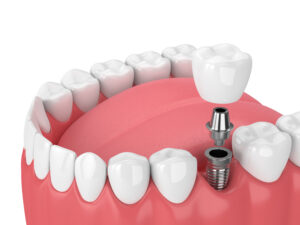

If you’ve been told you might need a root canal or a tooth extraction, it’s normal to feel confused — or even anxious. Many patients immediately ask, “Which one is better?” or “Why can’t the tooth just be pulled?”
When comparing root canal vs extraction, the truth is that there’s no one-size-fits-all answer. Dentists carefully evaluate the condition of the tooth, surrounding bone, infection level, and long-term function before recommending the best option.
In this guide, we’ll explain exactly how dentists decide between a root canal and extraction, why saving a tooth is often preferred, and how experience plays a critical role in getting the best outcome.
Root Canal vs Extraction: What’s the Difference?
At a basic level, these two treatments solve very different problems.
- A root canal removes infection from inside the tooth while preserving the natural tooth structure
- An extraction removes the tooth entirely
Both can relieve pain — but their long-term impact on your smile, bite, and oral health is very different.
When a Root Canal Is Typically Recommended
A root canal is usually recommended when the tooth itself is still structurally sound, but the inner pulp has become infected or inflamed.
Common Reasons a Root Canal Is Needed:
- Deep tooth decay reaching the nerve
- Infection or abscess inside the tooth
- Severe or lingering sensitivity to heat or pressure
- Cracks that expose the pulp but don’t destroy the tooth
- Trauma that damages the nerve without fracturing the tooth
In these cases, removing the infection while preserving the tooth is often the healthiest option.
Learn more about modern root canal care through Endodontics.
When Extraction Is the Better Option
While preserving a natural tooth is usually ideal, there are times when extraction is the safer or more predictable solution.
Dentists May Recommend Extraction If:
- The tooth is severely fractured below the gum line
- Decay has destroyed too much of the tooth structure
- There is advanced bone loss around the tooth
- The infection cannot be safely cleared
- The tooth cannot be restored properly after treatment
In these situations, removing the tooth can prevent ongoing infection and pave the way for proper restoration.
➡️ Extraction alone is rarely the final step — planning for replacement is just as important.
How Dentists Actually Decide: The Key Factors
Dentists don’t make this decision lightly. A careful evaluation helps ensure the best long-term outcome for the patient.
1. Structural Integrity of the Tooth
If enough healthy tooth structure remains to support a restoration, saving the tooth is often preferred.
2. Extent of Infection
Localized infection can often be removed with a root canal. Severe or spreading infection may require extraction.
3. Bone & Gum Support
Healthy supporting bone and gum tissue are essential for long-term success.
4. Bite Alignment & Function
Removing a tooth can affect bite balance and lead to shifting or overload on nearby teeth.
5. Long-Term Restorability
Dentists ask: Can this tooth be restored to function predictably for years to come?
If the answer is yes, a root canal is often the best choice.
Why Saving the Natural Tooth Is Often Preferred
Modern dentistry places a strong emphasis on tooth preservation whenever possible.
Benefits of Saving a Natural Tooth:
- Maintains natural bite alignment
- Preserves jawbone health
- Reduces stress on neighboring teeth
- Avoids additional procedures
- Often costs less long-term
A successful root canal doesn’t just relieve pain — it preserves the natural structure your mouth was designed to use.
Dr. Aljanedi’s Experience Matters
The success of root canal treatment depends heavily on skill, technique, and experience.
Dr. Aljanedi has completed thousands of root canal procedures throughout his career, treating everything from straightforward cases to complex, severely infected teeth. That depth of experience matters — especially when deciding whether a tooth can be saved or truly needs to be removed.
Why Experience Makes a Difference:
- Accurate diagnosis
- Precise infection removal
- Reduced risk of complications
- Improved long-term success rates
- Faster, smoother procedures
Having “seen it all,” Dr. Aljanedi’s approach is refined, efficient, and focused on predictable outcomes that prioritize patient comfort and tooth preservation whenever possible.
What a Root Canal Actually Does (And Doesn’t Do)
Root canals are often misunderstood.
A Root Canal:
✔ Removes infected or damaged tissue
✔ Eliminates pain caused by infection
✔ Preserves the natural tooth
✔ Allows normal chewing and function
A Root Canal Does Not:
✖ Weaken the tooth when properly restored
✖ Cause illness
✖ Make the tooth “dead” in a problematic way
In reality, a restored root-canal-treated tooth can function normally for many years.
The Role of Restorative Dentistry After Either Option
Whether a tooth is saved or removed, what happens next matters.
After a Root Canal:
- The tooth is typically reinforced with a crown
- Strength and appearance are restored
- Long-term durability is improved
After an Extraction:
- Replacement options should be discussed
- This may include implants, bridges, or other solutions
- Proper planning prevents shifting and bone loss
These next steps fall under Restorative Dentistry — where long-term success is determined.
Cost Considerations: Root Canal vs Extraction
Initially, extraction can appear less expensive than a root canal.
However, extracting a tooth often requires:
- Tooth replacement
- Additional procedures
- Long-term maintenance
When total treatment is considered, preserving the tooth with a root canal is often the more economical and conservative option.
Can Waiting Make the Decision Worse?
Yes. Delaying treatment can change your options.
Infections worsen over time, bone loss increases, and cracks can spread — potentially turning a tooth that could have been saved into one that must be extracted.
Seeking evaluation early gives dentists more choices and patients better outcomes.
Frequently Asked Questions: Root Canal vs Extraction
Is a root canal better than extraction?
If the tooth can be saved, a root canal is usually preferred to maintain natural function.
Is extraction faster than a root canal?
Extraction may be quicker initially, but replacement often adds time and complexity.
Are root canals painful?
Modern root canal treatment is designed to relieve pain — not cause it.
Can any tooth be saved with a root canal?
No. Some teeth are too damaged, which is why proper evaluation matters.
How long do root-canal-treated teeth last?
With proper restoration and care, many last decades.
Schedule an Expert Evaluation
Choosing between a root canal and extraction should never feel rushed or unclear.
At Marina Dentistry, Dr. Aljanedi combines extensive real-world experience, modern diagnostic tools, and a conservative approach to help patients make confident, informed decisions.
If you’re experiencing pain or have been told you may need treatment, a professional evaluation can clarify your options.
👉 Schedule your consultation today:
Contact Marina Dentistry