If you’re missing a tooth — or facing the loss of one — you’re likely comparing your replacement options. Two of the most common solutions are dental implants and dental bridges.
One of the first questions patients ask is:
“Which option lasts longer — dental implants or bridges?”
The honest answer is that both can work well, but they differ significantly in longevity, maintenance, impact on surrounding teeth, and long-term value.
This guide breaks down the real differences between dental implants vs bridges, so you can choose the option that best fits your health, lifestyle, and long-term goals.
Understanding the Basics
Before comparing longevity, it helps to understand how each option works.
What Is a Dental Implant?
A dental implant replaces both the tooth and its root.
It consists of:
- A titanium implant placed in the jawbone
- A connector (abutment)
- A custom dental crown
The implant integrates with the bone, creating a stable, standalone replacement.
You can learn more about treatment through Dental Implants at Marina Dentistry.
What Is a Dental Bridge?
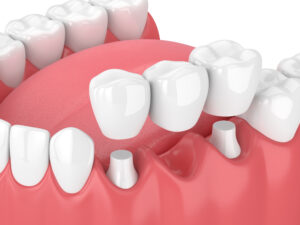
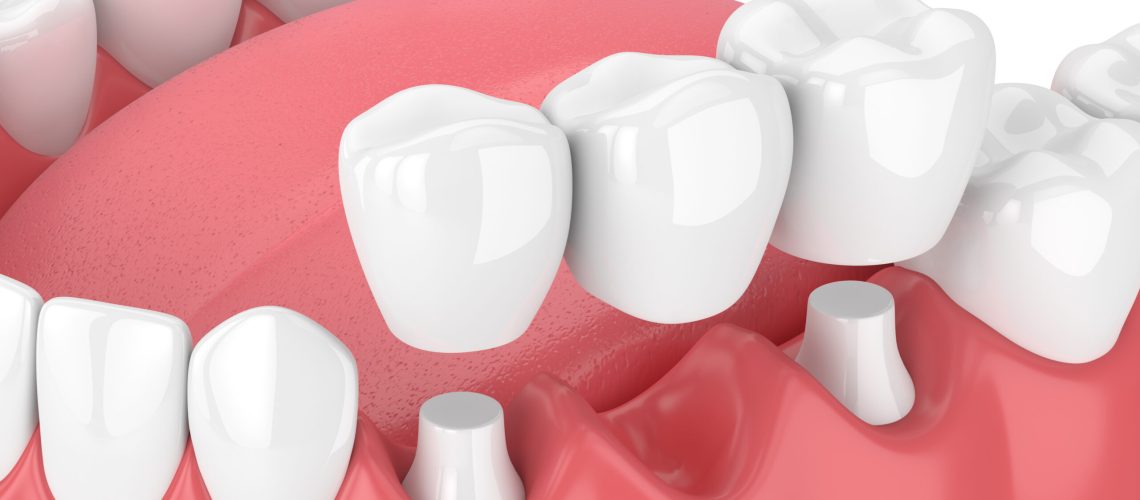
A dental bridge replaces a missing tooth by:
- Anchoring a false tooth to the adjacent natural teeth
- Crowning the neighboring teeth for support
Bridges rely on existing teeth for stability rather than the jawbone.
Bridges are designed and managed as part of Prosthodontics — the specialty focused on restoring missing teeth and function.
Which Option Lasts Longer? The Short Answer
- Dental implants: often 20+ years, frequently a lifetime with proper care
- Dental bridges: typically 7–15 years, sometimes longer with excellent maintenance
Longevity is one of the biggest differences — but it’s not the only one that matters.
Why Dental Implants Last Longer
1. Implants Replace the Tooth Root
Dental implants integrate with the jawbone, mimicking a natural tooth root.
This provides:
- Exceptional stability
- Even force distribution
- Protection against bone loss
Because implants don’t rely on neighboring teeth, they remain stable over time.
2. Implants Don’t Stress Adjacent Teeth
Implants stand alone.
They do not:
- Require grinding down healthy teeth
- Transfer chewing force to neighboring teeth
- Increase cavity risk on adjacent teeth
This independence significantly contributes to long-term success.
3. Bone Preservation Matters
When a tooth is lost, the jawbone begins to shrink.
Dental implants:
- Stimulate the bone
- Help preserve jaw structure
- Maintain facial support
Bridges do not prevent bone loss in the missing-tooth area — which can affect long-term outcomes.
Why Dental Bridges Have a Shorter Lifespan
Dental bridges can be very effective — but their design creates inherent limitations.
1. Bridges Depend on Supporting Teeth
Bridges rely on neighboring teeth (called abutment teeth).
Over time:
- These teeth bear extra force
- Crowns may loosen or decay
- Gum recession may expose margins
If a supporting tooth fails, the entire bridge is compromised.
2. Higher Risk of Decay at the Margins
Even well-made bridges create:
- Hidden margins
- Hard-to-clean areas
- Increased plaque accumulation
Decay under bridge crowns is one of the most common reasons bridges need replacement.
3. Bone Loss Continues Under a Bridge
Because no root replaces the missing tooth:
- Bone resorption continues
- Gum contours may change
- Aesthetic issues may develop over time
This doesn’t always cause immediate problems — but it affects long-term stability.
Longevity Comparison: Implants vs Bridges
| Feature | Dental Implants | Dental Bridges |
|---|---|---|
| Average lifespan | 20+ years / lifetime | 7–15 years |
| Bone preservation | Yes | No |
| Impact on nearby teeth | None | Requires alteration |
| Risk of decay | Low | Higher at margins |
| Maintenance | Similar to natural teeth | More complex cleaning |
| Long-term value | Higher | Moderate |
Maintenance: Which Is Easier Long-Term?
Dental Implant Maintenance
- Brush and floss like a natural tooth
- Regular dental cleanings
- Routine exams to monitor bone and gums
Implants do not decay — but gum health is critical.
Bridge Maintenance
- Requires special flossing tools
- Harder to clean beneath the bridge
- Higher risk of plaque buildup
Maintenance is manageable — but more demanding.
Which Option Is More Cost-Effective Long-Term?
This is where many patients are surprised.
Bridges:
- Lower upfront cost
- May require replacement multiple times
- Potential future work on supporting teeth
Implants:
- Higher initial investment
- Rarely need replacement
- Protect surrounding teeth and bone
Over time, implants often prove more cost-effective, especially for younger or health-focused patients.
When a Dental Bridge Might Be the Right Choice
Despite longevity differences, bridges are still appropriate in some cases.
Bridges may be recommended if:
- Adjacent teeth already need crowns
- Bone volume is insufficient for implants
- Medical factors limit implant placement
- A quicker solution is preferred
- Budget considerations are significant
A good dentist presents bridges as an option — not a default.
When Dental Implants Are Usually the Better Long-Term Option
Implants are often ideal if:
- You want the longest-lasting solution
- Adjacent teeth are healthy
- Bone health is adequate (or can be restored)
- You value preserving jawbone
- You want a standalone replacement
For many adults, implants align better with long-term health goals.
What About Aesthetics?
Both options can look excellent when designed properly.
However:
- Implants maintain gum contours better over time
- Bone preservation helps prevent “sunken” appearance
- Bridges may show aesthetic changes as bone resorbs
In visible areas, this difference can matter long term.
How Dentists Help You Choose
Dentists consider:
- Overall oral health
- Bone quality
- Condition of adjacent teeth
- Bite forces
- Aesthetic goals
- Timeline and budget
- Long-term prognosis
The “best” option isn’t universal — it’s personal.
Frequently Asked Questions About Implants vs Bridges
Do implants really last a lifetime?
Often yes — with proper care and maintenance.
Can a bridge last longer than 15 years?
Sometimes, but replacement is common over time.
Is implant surgery risky?
Implant procedures are predictable and well-studied when properly planned.
Can implants fail?
Yes — but failure rates are low with good planning and maintenance.
Is a bridge faster than an implant?
Yes — bridges usually require less treatment time upfront.
The Bigger Picture: Longevity + Health
Tooth replacement isn’t just about filling a space.
It’s about:
- Long-term oral health
- Protecting remaining teeth
- Preserving bone
- Minimizing future treatment
- Choosing value over convenience
Longevity matters — but so does what the replacement does to the rest of your mouth.
So… Which Replacement Option Lasts Longer?
From a purely long-term perspective:
- Dental implants last longer
- Preserve bone
- Protect adjacent teeth
- Require fewer replacements over time
Bridges remain a valid option — but implants are often the gold standard for longevity.
At Marina Dentistry, treatment recommendations focus on:
- Long-term success
- Conservative planning
- Clear explanations
- Patient-specific solutions
👉 Schedule a tooth replacement consultation:
https://www.marinadentistry.com/contact-us/