
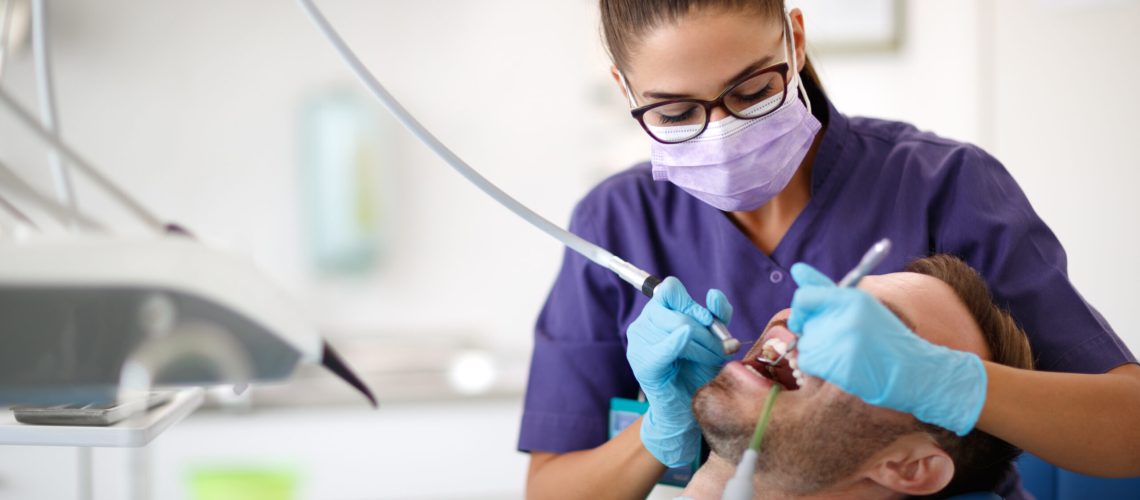
For many adults, going to the dentist isn’t just inconvenient — it’s genuinely stressful. Dental anxiety is extremely common, and for some people, fear is the main reason they delay or avoid care altogether.
If you’ve ever wondered, “Is sedation dentistry safe?”, you’re not alone.
This guide explains how sedation dentistry works, why it’s considered safe for most patients, what types are used, and what nervous patients should realistically expect — so you can make informed, confident decisions about your care.
Dental Anxiety Is More Common Than You Think
Millions of adults experience dental anxiety to some degree.
Common reasons include:
- Past negative dental experiences
- Fear of pain or needles
- Loss of control
- Sensitivity or gag reflex
- General anxiety disorders
Avoiding dental visits because of fear often leads to more complex treatment later, which reinforces anxiety — a cycle sedation dentistry is designed to break.
What Is Sedation Dentistry?
Sedation dentistry uses medication to help patients relax during dental treatment. It does not replace local anesthesia (numbing), but it significantly reduces anxiety, tension, and awareness.
Sedation allows patients to:
- Feel calm and relaxed
- Remain comfortable during procedures
- Complete necessary treatment without distress
- Avoid panic or fear responses
You can learn more about available options through a Sedation Dentist experienced in anxiety-focused care.
The Different Types of Sedation Dentistry
Understanding the types of sedation helps clarify safety concerns.
1. Nitrous Oxide (Laughing Gas)
Nitrous oxide is one of the safest and most widely used forms of sedation.
What it does:
- Creates relaxation and calm
- Reduces anxiety quickly
- Wears off within minutes after treatment
Why it’s safe:
- Administered in controlled doses
- Oxygen is delivered simultaneously
- Patients remain awake and responsive
- Effects are fully reversible
Patients can usually drive themselves home afterward.
2. Oral Conscious Sedation
Oral sedation involves taking prescribed medication before your appointment.
What it does:
- Reduces anxiety
- Creates a drowsy, relaxed state
- May cause partial memory of the procedure
Safety considerations:
- Dosage is carefully selected
- Patients are monitored throughout
- You remain able to respond to instructions
Because effects last longer, patients need a ride home.
3. IV Sedation (When Indicated)
IV sedation provides a deeper level of relaxation and is used selectively.
What it does:
- Produces profound calm
- Reduces awareness
- Allows complex treatment to be completed comfortably
Why it’s safe when properly administered:
- Continuous monitoring
- Precise dosage control
- Performed by trained professionals
- Medical protocols are followed strictly
Not every patient needs this level of sedation — and it’s only recommended when appropriate.
Is Sedation Dentistry Actually Safe?
Yes — for the vast majority of patients, sedation dentistry is very safe when provided by trained professionals and used appropriately.
Safety comes from:
- Careful patient screening
- Medical history review
- Controlled dosing
- Continuous monitoring
- Established protocols
Modern sedation dentistry has decades of clinical data supporting its safety.
How Dentists Determine If Sedation Is Right for You
Sedation is never a one-size-fits-all decision.
Before recommending sedation, dentists evaluate:
- Medical history
- Current medications
- Anxiety level
- Treatment complexity
- Overall health
This ensures sedation is used only when appropriate and at the safest level for each patient.
Common Safety Concerns — Addressed Clearly
“Will I Be Unconscious?”
Most sedation dentistry uses conscious sedation, meaning:
- You’re awake
- You can respond
- You’re deeply relaxed
General anesthesia is rarely used in routine dentistry.
“Will I Feel Pain?”
Sedation reduces anxiety — local anesthesia still numbs pain.
The combination allows treatment to be:
- Comfortable
- Calm
- Predictable
“What About Side Effects?”
Most side effects are mild and temporary, such as:
- Drowsiness
- Dry mouth
- Temporary memory gaps (with oral/IV sedation)
Serious complications are extremely rare when proper screening is done.
“Is Sedation Safe for Older Adults?”
Yes — with appropriate evaluation.
Age alone is not a disqualifier. Overall health and medications matter far more.
Why Sedation Dentistry Can Be Safer Than Avoidance
Ironically, avoiding dental care often creates greater health risks than sedation itself.
Delayed treatment can lead to:
- Infections
- Severe pain
- Emergency procedures
- More invasive treatment
- Higher stress overall
Sedation dentistry allows patients to address issues before they become urgent or dangerous.
What to Expect on the Day of Sedation Dentistry
While details vary by sedation type, most appointments include:
- Review of instructions
- Monitoring equipment placement
- Calm, controlled administration
- Continuous supervision
- Clear recovery instructions
Patients often say:
“I was relaxed the entire time — it felt much easier than I expected.”
Aftercare and Recovery
Recovery depends on sedation type.
- Nitrous oxide: effects wear off quickly
- Oral sedation: lingering drowsiness is normal
- IV sedation: rest is recommended for the remainder of the day
Dentists provide clear aftercare guidance to ensure a smooth recovery.
Who Benefits Most From Sedation Dentistry?
Sedation dentistry is especially helpful for patients who:
- Experience dental anxiety or phobia
- Have a strong gag reflex
- Need extensive treatment
- Have difficulty sitting still
- Avoid care due to fear
- Want a more comfortable experience
It’s not about weakness — it’s about supporting patient comfort.
Does Sedation Dentistry Replace Good Communication?
No — and it shouldn’t.
The best sedation dentistry is paired with:
- Clear explanations
- Patient consent
- Respect for comfort levels
- Ongoing communication
Sedation supports care — it doesn’t replace trust.
Frequently Asked Questions About Sedation Dentistry Safety
Is sedation dentistry safe for anxious patients?
Yes. It’s often recommended specifically because of anxiety.
Can I wake up during sedation?
With conscious sedation, you’re awake the entire time — just relaxed.
Is sedation dentistry addictive?
No. Sedation medications are used short-term under supervision.
Will I remember the procedure?
Memory varies by sedation type — many patients remember little.
Is sedation dentistry covered by insurance?
Coverage varies. Financing options may help.
Feeling Calm Changes Everything
Fear shouldn’t stand between you and your health.
Sedation dentistry exists so nervous patients can receive care:
- Comfortably
- Safely
- Without fear or embarrassment
At Marina Dentistry, sedation is approached thoughtfully — with patient safety, comfort, and trust as the foundation.
If dental anxiety has ever kept you from scheduling an appointment, you’re not alone — and you don’t have to push through it.
👉 Talk to a sedation dentist today:
https://www.marinadentistry.com/contact-us/