
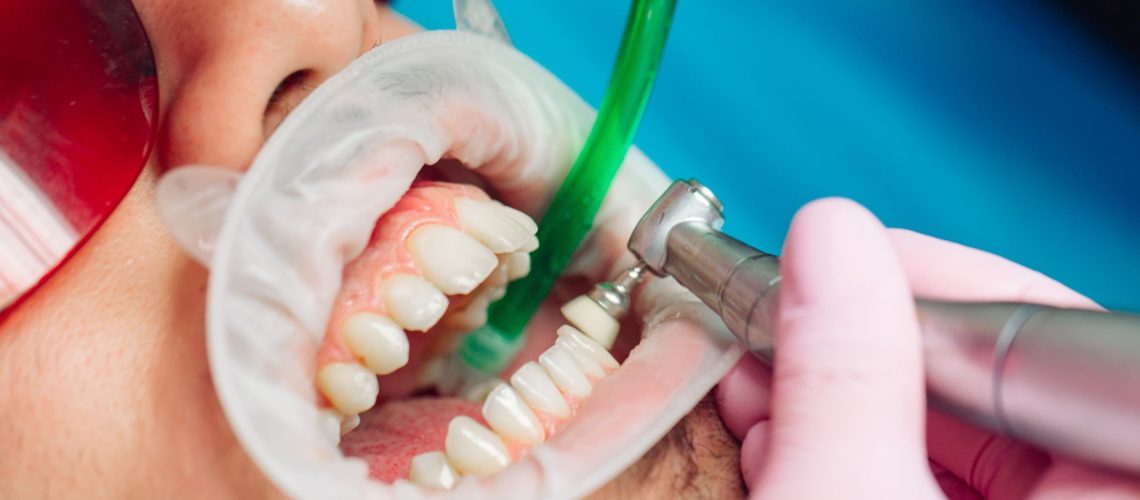
If your dentist has mentioned a “deep cleaning” instead of a regular cleaning, you’re not alone in wondering what that really means — or whether it’s truly necessary.
Many adults assume cleanings are interchangeable. They aren’t.
Understanding the difference between deep cleaning vs regular cleaning can help you make informed decisions, avoid unnecessary treatment, and protect your long-term oral health.
This guide explains how these cleanings differ, why dentists recommend one over the other, and how to tell which you actually need.
What Is a Regular Dental Cleaning?
A regular dental cleaning — also called a prophylaxis — is designed for patients with healthy gums and minimal plaque buildup.
Regular Cleanings Focus On:
- Removing plaque and tartar above the gumline
- Light tartar just below the gums
- Polishing teeth to remove surface stains
- Preventing cavities and early gum inflammation
Regular cleanings are typically recommended every six months for patients with good gum health.
You can learn more about preventive care through Teeth Cleaning services at Marina Dentistry.
What Is a Deep Cleaning?
A deep cleaning — clinically known as scaling and root planing — is not cosmetic or routine. It’s a targeted treatment used when plaque and bacteria have built up below the gumline.
Deep Cleanings Focus On:
- Removing hardened tartar beneath the gums
- Cleaning infected gum pockets
- Smoothing tooth roots to help gums reattach
- Reducing inflammation and infection
Deep cleanings are used to treat gum disease — not just prevent it.
Learn more about this treatment through Deep Cleaning at Marina Dentistry.
The Key Difference: Gum Health
The real distinction between a regular cleaning and a deep cleaning isn’t how “dirty” your teeth look — it’s the health of your gums and bone.
Regular Cleaning:
- Healthy gums
- Shallow gum pockets (typically 1–3mm)
- Little or no bleeding
Deep Cleaning:
- Inflamed or bleeding gums
- Deeper gum pockets (4mm or more)
- Tartar buildup below the gumline
- Early signs of bone loss
Your dentist makes this determination through gum measurements, X-rays, and clinical evaluation — not guesswork.
Why a Regular Cleaning Isn’t Enough for Gum Disease
Once bacteria move below the gumline, brushing and flossing — even professional cleanings — can’t reach it effectively.
That’s where deep cleaning becomes necessary.
Without treatment:
- Inflammation continues
- Gum pockets deepen
- Bone loss progresses
- Teeth may loosen over time
Deep cleaning is designed to stop this process early, before irreversible damage occurs.
Signs You Might Need a Deep Cleaning
Patients are often surprised because gum disease is usually painless early on.
You may need a deep cleaning if you experience:
- Bleeding when brushing or flossing
- Persistent bad breath
- Swollen or tender gums
- Gum recession
- Tooth sensitivity near the gumline
These signs don’t mean a regular cleaning will fix the issue — they often indicate infection below the gums.
Why Deep Cleaning Is Sometimes Done in Sections
Because deep cleaning treats infection, it may be performed:
- In two or more appointments
- One side of the mouth at a time
- With localized numbing for comfort
This approach allows:
- Thorough treatment
- Reduced discomfort
- Better healing response
It’s precise care — not rushed dentistry.
Does a Deep Cleaning Hurt?
This is one of the most common concerns.
Most patients report:
- Mild pressure during treatment
- Temporary sensitivity afterward
- Significant improvement in gum comfort as healing occurs
Numbing is used when needed, and post-treatment tenderness is usually short-lived.
What Happens After a Deep Cleaning?
Deep cleaning is not a one-time fix — it’s the reset point.
After treatment, dentists typically recommend:
- More frequent maintenance cleanings (every 3–4 months)
- Targeted home care
- Monitoring gum pocket improvement
This maintenance phase prevents reinfection and protects bone support long-term.
Can You Go Back to Regular Cleanings?
In some cases, yes.
If gum health improves and stabilizes, some patients can eventually transition back to routine cleanings — but only after periodontal health is restored.
The goal isn’t permanent treatment — it’s long-term stability.
Cost Concerns: Is a Deep Cleaning Really Necessary?
Patients sometimes worry that deep cleanings are recommended for financial reasons.
In reality:
- Deep cleanings treat infection
- Regular cleanings do not
- Skipping recommended care often leads to higher costs later
Early periodontal treatment is usually far less expensive than treating advanced gum disease or tooth loss.
Deep Cleaning vs Regular Cleaning: Quick Comparison
| Regular Cleaning | Deep Cleaning |
|---|---|
| Preventive | Therapeutic |
| Above the gumline | Below the gumline |
| For healthy gums | For infected gums |
| No numbing typically | Numbing often used |
| Every 6 months | Followed by maintenance |
Frequently Asked Questions
Can I choose a regular cleaning instead of a deep cleaning?
Not if gum disease is present. A regular cleaning won’t resolve infection below the gums.
Is deep cleaning the same as periodontal surgery?
No. Deep cleaning is non-surgical and often prevents surgery.
How long does healing take?
Most gums begin improving within weeks, with continued progress over months.
Will my insurance cover a deep cleaning?
Many plans provide coverage when periodontal disease is diagnosed.
Does everyone need a deep cleaning?
No — only patients with signs of gum disease.
So… Which Cleaning Do You Actually Need?
The answer depends on your gum health, not your brushing habits or how often you’ve had cleanings in the past.
- Healthy gums → Regular cleanings
- Active inflammation or infection → Deep cleaning
A proper diagnosis ensures you receive the right care at the right time — nothing more, nothing less.
At Marina Dentistry, treatment recommendations are based on careful evaluation, clear explanation, and long-term oral health — not one-size-fits-all dentistry.
👉 Schedule an evaluation today:
Contact Marina Dentistry